••
Traditional Medicine Practice Council closes three herbal shops in Cape Coast
•2 min read•1 source
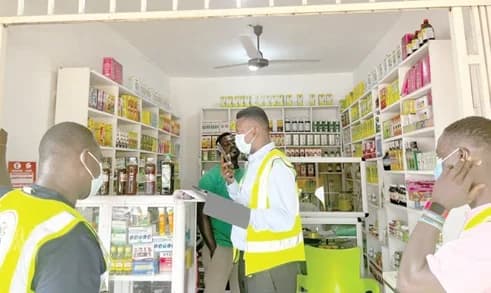
The Traditional Medicine Practice Council (TMPC) has shut down three herbal medicine facilities in the Cape Coast metropolis for operating without valid licenses. The affected establishments—Pennah Herbal Shop, Dank Natural Healthcare, and God is Able Herbal Centre—were found to be in violation of regulatory requirements during a targeted enforcement exercise. This action forms part of a broader national initiative to sanitise the traditional medicine sector and ensure that all practitioners adhere to the legal frameworks governing their operations.
Nicholas Annan, the TMPC’s Compliance, Enforcement, and Inspection Officer, revealed that some of the closed shops had been operating with licenses that expired between three and four years ago. Despite several reminders and the legal obligation to maintain current certification, these facilities failed to renew their permits, prompting the Council to intervene. Mr. Annan emphasised that the council's mandate is to protect public health by ensuring that traditional and herbal medicine services are provided in a safe and regulated environment.
The enforcement team conducted thorough inspections of the premises to verify compliance with professional and safety standards. The TMPC noted that the closure of these shops is not an attempt to stifle or burden traditional medicine practitioners but a necessary step to maintain the integrity of the industry. The Council intends to continue these inspections across other regions of the country to identify and address similar lapses in licensing compliance.
Following the shutdown, the affected operators are required to regularise their documentation and complete the renewal process before they will be permitted to resume business. The TMPC has indicated that follow-up inspections will be conducted to ensure that no facility reopens prematurely without the necessary legal clearance. This ongoing regulatory campaign highlights the government's commitment to integrating traditional medicine into the national healthcare system safely by weeding out non-compliant operators.