••
Titus Medical Centre offers free treatment for snakebite victims in Kpandai
•2 min read•1 source
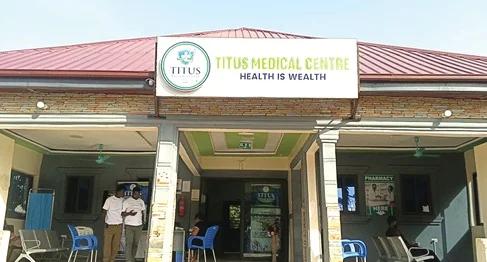
Titus Medical Centre in the Kpandai District of the Northern Region is providing free emergency medical care to farmers who suffer snakebites. This initiative serves as a critical lifeline for rural workers who frequently encounter venomous snakes during farming activities but lack the financial means to pay for life-saving treatment. CEO Stephen Lee Demuyakor established the program to address the high mortality rates often associated with delayed treatment in impoverished communities, where the cost of care can be a significant barrier to survival.
The sustainability of this free service is currently threatened by the high cost of antivenom medication. According to Mr. Demuyakor, each dose of antivenom costs the facility approximately GH₵400. For many local farmers, such as Daniel Manan, who was recently treated at the centre, these costs would be prohibitive if passed on to the patient. The facility continues to absorb these expenses to ensure that timely intervention remains accessible, as snakebite complications can lead to permanent disability or death if not addressed within the critical window after an attack.
Beyond emergency snakebite care, the Titus Medical Centre provides essential maternal healthcare services, including antenatal care and educational programs for pregnant women. However, the rising demand for services in the Kpandai District has strained the centre's limited resources. Mr. Demuyakor has issued an urgent appeal to the government and non-governmental organisations (NGOs) to support the facility with a reliable and subsidized supply of antivenom to maintain the free treatment policy for the vulnerable population.
The situation at Titus Medical Centre highlights the broader challenges of rural healthcare delivery in Ghana. While the facility continues to offer a safety net for the most vulnerable, its leadership emphasizes that long-term success depends on institutional support from the state and private partners. Strengthening the supply chain for essential medicines like antivenom is seen as a necessary step toward reducing health inequalities and protecting the livelihoods of Ghana's rural farming communities.
