••
Bola Ahmed Tinubu targets 6% growth in re-election manifesto
•2 min read•2 sources
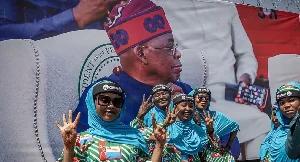
Nigerian President Bola Ahmed Tinubu has launched his re-election manifesto, centering his bid for a second term on a promise to accelerate economic growth and bolster national security. Amidst ongoing public debate over his first-term performance, the President outlined a strategic roadmap designed to revitalize the West African nation's economy. The centerpiece of the document is a commitment to achieve a 6% annual economic growth rate by 2031, a target aimed at addressing the financial challenges and inflation that have characterized the current administration.
The manifesto details a series of ambitious infrastructure and social targets intended to alleviate the cost-of-living crisis and the national housing deficit. President Tinubu has pledged the construction of 200,000 affordable homes across the country, a move intended to provide relief to low- and middle-income earners. This focus on housing is presented as a pillar of a broader economic revitalization strategy, which seeks to stimulate the construction industry and create jobs while providing essential stability for Nigerian families.
Security remains a critical component of the President's agenda, as the government continues to face various internal threats and regional instability. To address these concerns, the re-election plan proposes the recruitment of 78,000 additional security personnel. This expansion of the national security apparatus is intended to strengthen the state's capacity to maintain law and order and protect citizens, responding to long-standing calls for more robust intervention in volatile areas of the country.
The launch of this manifesto comes at a pivotal moment for the administration, which has faced significant scrutiny following a period of difficult economic reforms. Political analysts suggest that the specific targets for growth, housing, and security are a direct attempt to regain voter trust and demonstrate a clear path toward long-term stability. As the election cycle approaches, the feasibility of these ambitious goals will likely become a central point of debate between the ruling party and the opposition.

