••
Governor Mohammed Umaru Bago and President Bola Tinubu Face Backlash as Nigeria and DRC Grapple with Mass Casualties
•3 min read•4 sources
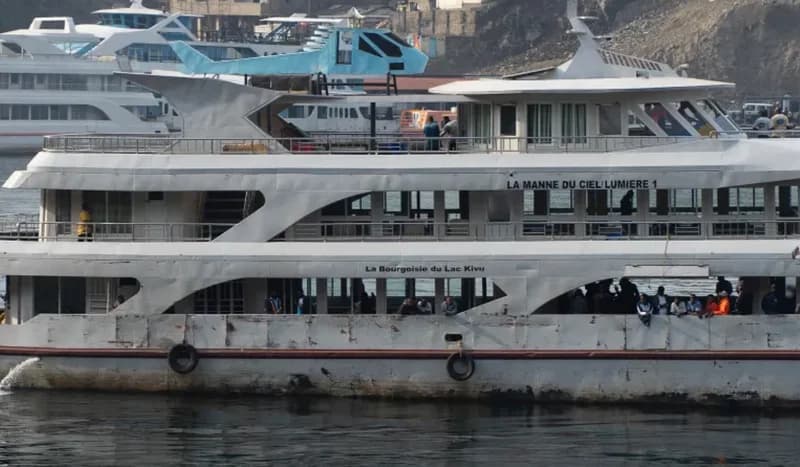
A series of tragic events has unfolded across the African continent, ranging from a fatal maritime accident in the Democratic Republic of the Congo (DRC) to a massive kidnapping controversy in Nigeria and a burgeoning drug crisis in Mozambique. In the DRC, at least 41 people have been confirmed dead after a boat capsized on Lake Tanganyika. The vessel, which was traveling from Tanzania to the city of Kalemie, was carrying dozens of passengers when it reportedly began to tilt around 1:00 am. While 49 people were successfully rescued, search operations led by Norris Mulongoyi, the provincial transport minister for Tanganyika, continue in hopes of finding survivors. This disaster is the latest in a string of maritime accidents in the region, often attributed to overloading and poor safety standards on vessels that serve as essential transport due to the country's limited road infrastructure. In Nigeria, a deep rift has emerged between local communities and government officials following a mass abduction in the central state of Niger. Activists in the village of Dikera have released a detailed list of 547 individuals they claim were kidnapped during Friday prayers, directly contradicting Governor Mohammed Umaru Bago, who initially suggested a significantly lower toll. The discrepancy has sparked widespread protests as families demand transparency and action. In response to the growing insecurity and the persistent threat of jihadist insurgencies, President Bola Tinubu has ordered security forces to intensify rescue operations. The incident underscores the escalating frequency of mass abductions in Nigeria, which continue to challenge the government's ability to protect its citizens in volatile regions. Meanwhile, Mozambique is facing a different kind of emergency as it transitions from a traditional narcotics transit hub to a significant consumer market. New data reveals an alarming 38% increase in drug-related hospital admissions, totaling over 32,280 cases in the past year. Authorities note that substances like methamphetamine and fentanyl are becoming increasingly prevalent among the youth population, moving beyond traditional cannabis and heroin use. While the Mozambican government is collaborating with international anti-drug organizations and neighboring states to stem the flow of illicit substances—which are often smuggled disguised as everyday commercial products—the country struggles with limited resources to manage the public health fallout. Together, these incidents highlight the multifaceted challenges facing African nations as they navigate infrastructure deficiencies, internal security threats, and shifting social crises. Whether addressing the safety of maritime travel, the transparency of security reporting, or the health implications of the global drug trade, these events call for strengthened institutional responses and regional cooperation to mitigate the loss of life and protect social stability across the continent.

