••
Tigray displaced families fear renewed war in Abi Adi
•2 min read•1 source
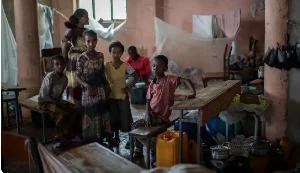
Displaced families in the northern Tigray region of Ethiopia are expressing deep concern over the possibility of renewed hostilities as they continue to live in temporary shelters. In the town of Abi Adi, hundreds of people who fled the conflict in Western Tigray have been forced to transform former school classrooms into makeshift homes. These facilities, once intended for education, have now become long-term residences for those unable to return to their ancestral lands due to the volatile security situation.
The living conditions within these repurposed educational spaces highlight the protracted nature of the humanitarian crisis in the region. Families have occupied these classrooms for several years, using the limited space to store their few remaining personal belongings and conduct their daily lives. What were once bustling centers of learning are now filled with the domestic necessities of displaced populations, reflecting the profound disruption of social and civil infrastructure caused by the war.
As the duration of their displacement extends, the prospect of returning to Western Tigray is becoming increasingly remote for many residents. This fading hope is compounded by a pervasive fear that the region could slide back into active conflict, which many residents believe would further jeopardize their survival. The continued occupation of schools also presents a significant challenge for the local educational system, as the facilities remain unavailable for their intended purpose while serving as a last resort for those with nowhere else to go.