••
Thomas Nyarko Ampem targets 5.2% economic growth for 2027
•2 min read•1 source
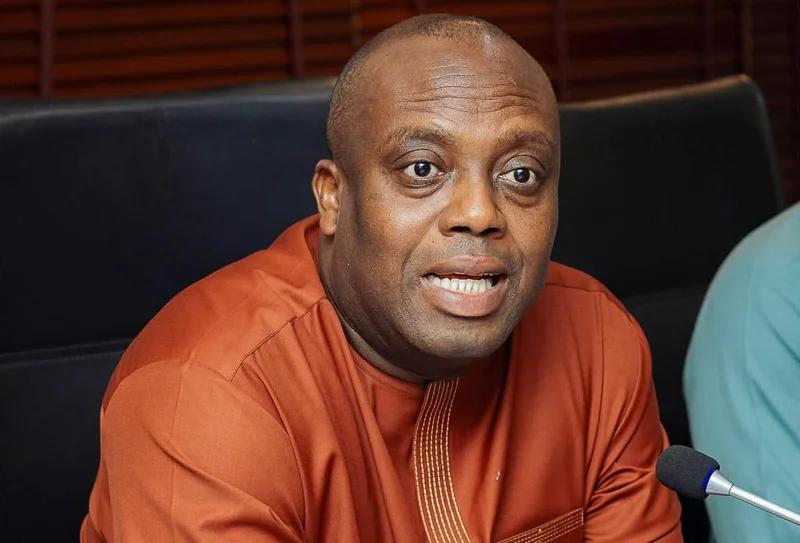
Deputy Minister for Finance Thomas Nyarko Ampem has announced that the government is targeting a minimum economic growth rate of 5.2% for the 2027 fiscal year. Speaking during a post-budget workshop for lawmakers, the Deputy Minister stated that the administration intends to build upon recent macroeconomic successes to drive a new era of production and job creation. This target follows a robust economic performance in the first half of 2026, where the economy grew by 6.2%, surpassing the government’s initial annual target of 4.8%.
To support this growth trajectory, the government has earmarked GH₵30 billion for targeted investments in the agriculture, industry, and energy sectors. Mr. Nyarko Ampem highlighted that these sectors are pivotal to the administration’s strategy of shifting the focus from economic stabilization to active production. The designated funds are intended to boost local industries and enhance energy security, which the government views as essential pillars for achieving long-term prosperity and sustainable development.
In a significant announcement for the business community, the Deputy Minister assured that no new taxes will be introduced in the 2027 fiscal year. He noted that the government’s focus has shifted toward translating macroeconomic stability into direct benefits for citizens through job creation. The current economic outlook is bolstered by cooling inflation, which stood at 5.5% in October 2026, and a strong reserve position, with gross international reserves reaching US$12.1 billion as of September 2026.
The post-budget workshop served as a platform to prepare Members of Parliament for upcoming deliberations on the 2027 budget statement. By providing detailed insights into the government’s financial planning and sectoral priorities, the ministry aims to ensure a productive legislative review process. As the Mahama administration enters the next phase of its economic program, the focus remains on maintaining fiscal discipline while deploying the GH₵30 billion investment to stimulate growth across the country's most productive sectors.


