••
Tesla targets 2026 for Cybercab sales despite federal safety probe
•2 min read•1 source
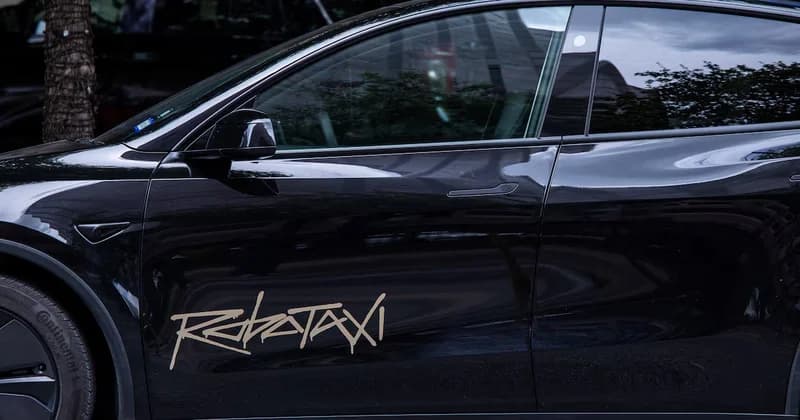
Tesla has announced its intention to begin selling fully autonomous Cybercab robotaxis to the public by the end of 2026. Lars Moravy, the company’s vice president of vehicle engineering, confirmed the timeline as the electric vehicle manufacturer pushes forward with its self-driving technology. The move marks a significant shift in Tesla's strategy, transitioning from providing a ride-hailing service to offering the specialized vehicles directly to consumers.
The Cybercab is designed to be completely autonomous, notably lacking traditional manual controls such as steering wheels or pedals. While public sales are slated for late 2026, Tesla is preparing to deploy the vehicles within its own ride-hailing network much sooner. The company plans to expand its autonomous ride-hailing service to Dallas as early as next month, utilizing the Cybercab to scale its operations in the competitive transportation market.
The ambitious rollout faces significant regulatory hurdles from the U.S. National Highway Traffic Safety Administration (NHTSA). Because the Cybercab lacks manual controls, Tesla must demonstrate that the vehicle complies with all federal motor vehicle safety standards or obtain specific exemptions. The federal agency is currently conducting a safety probe into the technology, and Tesla has been given a deadline of October 30 to respond to inquiries regarding its compliance and safety protocols.
Tesla remains optimistic about its ability to scale production despite these ongoing investigations. The successful launch of the Cybercab would represent a major milestone in the automotive industry, potentially transforming the nature of vehicle ownership and urban mobility. However, the 2026 target remains contingent on satisfying federal regulators and proving that the removal of manual controls does not compromise passenger safety on public roads.