••
Tema Oil Refinery targets Ghana Stock Exchange listing by 2028
•2 min read•3 sources
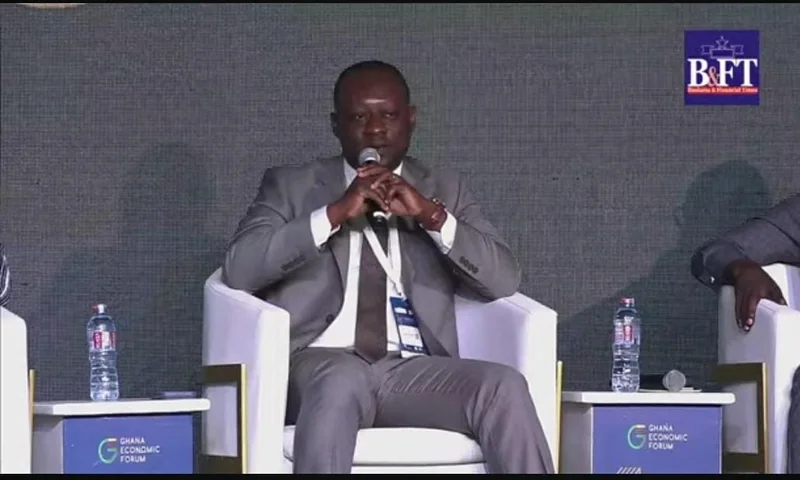
The Tema Oil Refinery (TOR) has announced plans to list on the Ghana Stock Exchange (GSE) by 2028 as part of a strategic roadmap to ensure the facility's long-term sustainability. Managing Director Edmond Kombat disclosed the timeline during the Ghana Economic Forum, explaining that the refinery intends to achieve at least three consecutive years of sustained profitability before opening its shares to the public. The primary objective of the listing is to improve corporate governance and shield the refinery from the political interference that has historically impacted its operations.
Significant financial progress has already been made toward cleaning the refinery's balance sheet. Mr. Kombat revealed that TOR has successfully reduced its negative equity from GH₵7.5 billion to GH₵5 billion as of the end of 2025. The management team is currently executing a restructuring initiative that involves debt management and asset revaluation to transition the company into positive equity. These measures are designed to create a more attractive profile for private-sector investors and ensure the refinery can compete effectively in the downstream petroleum market.
Beyond financial restructuring, the move to list on the GSE is intended to introduce more robust oversight through the appointment of independent directors. By bringing in private capital and external governance standards, TOR aims to insulate its day-to-day operations from political pressures. Mr. Kombat also addressed the refinery's relationship with other market players, stating that TOR views Bulk Distribution Companies as essential partners rather than competitors in Ghana's energy landscape. This collaborative approach, combined with a focus on efficiency and competitive pricing, is central to the refinery's recovery strategy.
The success of the 2028 listing will depend on the refinery's ability to maintain its current momentum in debt reduction and operational efficiency. The workforce at TOR is reportedly supportive of the transition, seeing private investment as a necessary safeguard for the institution's future survival. As the refinery moves forward with its restructuring plans, the focus remains on building a transparent, profitable, and professionally managed entity that can provide reliable energy security for the country.