••
Telecel Ghana Launches SME Month Amid Strategic Financial Shifts and Port Cost Controversies
•3 min read•18 sources
Ghana’s business landscape is undergoing a period of significant activity, led by the launch of Telecel Ghana’s 2026 SME Month campaign and the hosting of the GEF Global Business Forum in Accra. The forum, which gathered international leaders under the theme "The World We Help to Create," featured insights from Sir Sam E. Jonah, who emphasized that the private sector must take the lead in absorbing Africa’s expanding workforce as government capacity remains limited. Complementing this vision, Telecel Ghana’s "Connect to Growth; Unlock More" initiative is spending the month of September providing small and medium enterprises (SMEs) with digital tools, training, and mentorship. This includes the "Train to Scale Up" program and a focus on digital literacy for women in the Oti Region, aimed at fostering a culture of digital adoption and sustainable business growth across the country.
In the financial sector, institutions are introducing innovative products and reporting positive economic indicators. First National Bank Ghana has launched new Investment Gift Cards in denominations up to GHS 10,000 to promote a culture of saving, alongside a financial literacy program tailored for Persons with Disabilities (PWDs) in partnership with the Ghana Federation of Disability Organisations. Meanwhile, Fidelity Bank’s Debt Capital Markets Conference highlighted a promising recovery for the Ghanaian economy, citing a 6.4% real GDP growth in the first quarter of 2026 and a drastic reduction in inflation from 54.1% to 4.6%. These developments are part of a broader effort to transform macroeconomic stability into long-term capital for private-sector investment.
Despite these gains, the trading community is pushing back against new operational hurdles. David Amoateng, President of the Traders Advocacy Group Ghana (TAGG), has strongly criticized a GH‵720 increase in port administrative charges, warning that these excessive costs will eventually be passed on to consumers. Concurrently, the Communication for Development and Advocacy Consult (CDA Consult) is rolling out a "Verify Before You Buy" campaign to protect consumers from counterfeit goods. In a unique move to address food security and operational costs, the Ghana Immigration Service (GIS) has announced a partnership with Agri-Impact to venture into commercial agriculture, utilizing its own land holdings to produce cereals, livestock, and poultry.
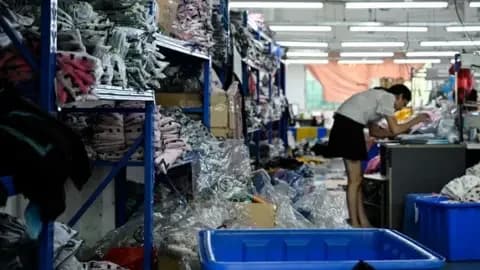
On the global stage, major corporations are facing legal and structural challenges that resonate with Ghanaian market analysts. Amazon is currently defending itself against a massive lawsuit from the US Federal Trade Commission and 22 states, alleging the retail giant manipulated ad pricing to generate $20 billion in profit at the expense of over a million advertisers. In the technology sector, the battle for the Twitter brand continues as former Twitter lawyer Stephen Coates launched "Twitter.now," a platform designed to revive the original blue bird identity while challenging Elon Musk’s "X" trademarks. Additionally, the fast-fashion titan Shein has debuted on the Hong Kong stock market with a valuation of approximately $26.3 billion, navigating scrutiny over its labor and environmental practices.
Corporate social responsibility also remains a central pillar of Ghanaian business operations. The Faith Group of Companies recently inaugurated new boreholes and a 102-room student hostel in Tamale, while MTN Ghana donated GH‵20,000 and supplies to the Dagbon Traditional Council for the Damba Festival. In the capital, Afro-Arab Properties has commenced work on a 30-unit affordable housing project in Accra named after broadcaster Blakk Rasta, offering interest-free payment plans. These diverse initiatives—ranging from high-stakes international litigation to localized community development—underscore a dynamic and complex environment for businesses operating in and with Ghana.
Related topic
Ghana Immigration Service Recruitment: Latest News →