••
Teghaza 001 meteorite from Mali reveals water on ancient Mars
•2 min read•1 source
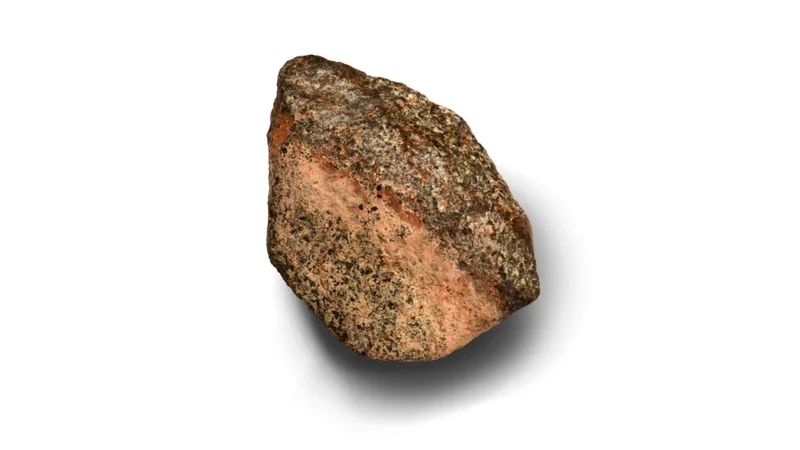
Scientific analysis of a rare Martian meteorite discovered in Mali's Sahara desert has provided groundbreaking evidence that liquid water altered the Martian crust over four billion years ago. The meteorite, named Teghaza 001, is a 798.5-gram rose-colored rock that offers a unique window into the early environmental evolution of the Red Planet. Researchers have determined that the specimen is at least 4.1 billion years old, dating back to a critical period in solar system history when the surface of Mars may have been hospitable to liquid water.
Teghaza 001 stands out from other Martian materials due to its distinct chemical composition and specific mineral makeup. Its rose-colored appearance is a rare physical trait among extraterrestrial rocks, and its chemical signatures indicate direct interaction with liquid water during its formation on the Martian surface. Unlike many previously studied Martian meteorites that represent younger volcanic activity, this specimen provides a rare glimpse into the planet's ancient crust. The discovery of such an old and well-preserved sample allows scientists to reconstruct the environmental conditions of Mars during its infancy.
The acquisition of this rare specimen by a museum underscores the growing importance of the African continent in the field of planetary science and cosmic discovery. Geologists and astronomers believe that further study of Teghaza 001 will help explain the diverging paths of the two planets, specifically why Mars eventually lost its surface water to become a dry world while Earth remained life-sustaining. By examining the geological landscapes of the Sahara, researchers continue to uncover extraterrestrial materials that are vital to our broader understanding of planetary evolution.