••
Tanzania Investigates Mass Lion Poisoning as Report Exposes Animal Cruelty in South Africa’s Ostrich Industry
•2 min read•2 sources
Authorities in Tanzania have launched a comprehensive investigation and a manhunt following the discovery of ten dead lions in the Ngorongoro Conservation Area. Preliminary findings suggest the animals were victims of poisoning, a tragic development in one of Africa's most vital wildlife sanctuaries. The Ngorongoro Conservation Area Authority (NCAA) has confirmed that it is actively pursuing those responsible for the deaths, which have sent shockwaves through the conservation community. The area, a UNESCO World Heritage Site, is a unique landscape where the Maasai people traditionally coexist with diverse wildlife, including lions and elephants.
This incident highlights the escalating human-wildlife conflict in the region. Retaliatory killings are frequently triggered when lions attack livestock or when elephants destroy crops, leading local communities to take drastic measures to protect their livelihoods. Conservationists point to habitat loss and increasing competition for resources as the underlying drivers of these clashes. While the Maasai have a long history of shared space with these predators, the recent poisoning suggests a breakdown in the balance of this coexistence, necessitating urgent intervention to prevent further loss of the region's apex predators.
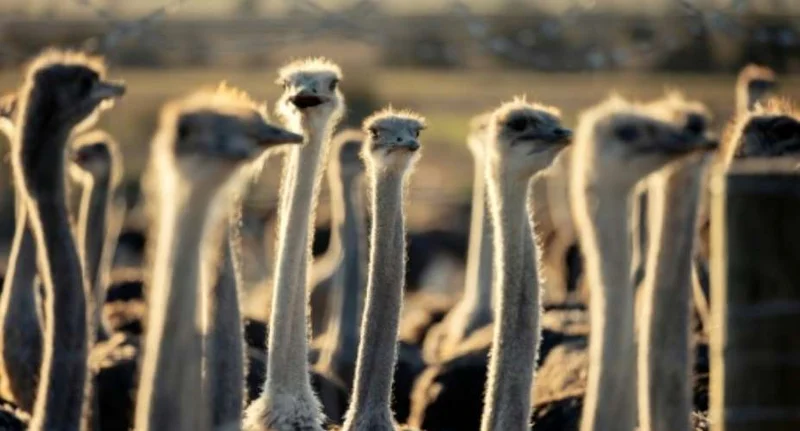
Further south, the African wildlife sector is facing additional scrutiny following a damning report by World Animal Protection and Collective Fashion Justice. The report, titled "Blood Feathers," alleges that ostrich farms in South Africa are employing cruel techniques to harvest feathers for the global luxury fashion market. Investigators found that workers frequently place bags over the heads of living birds to pluck their feathers without any form of pain relief, a process that causes significant distress and physical injury. South Africa currently dominates the industry, supplying approximately 75% of the global ostrich market to high-end brands including Dior, Chanel, and YSL.
These dual crises in Tanzania and South Africa underscore the complex challenges of animal welfare and conservation across the continent. While Tanzania grapples with the fallout of community-driven wildlife conflict, the South African ostrich industry faces calls for a complete reevaluation of sourcing materials and ethical standards. Both situations reflect a growing need for stronger regulatory oversight and more sustainable practices to ensure that Africa's unique animal populations are protected from both environmental pressures and industrial exploitation. The outcomes of the NCAA investigation and the fashion industry's response to the "Blood Feathers" report will likely set important precedents for wildlife management in Africa.