••
Tanzania heavy rains displace over 600 households in four regions
•2 min read•1 source
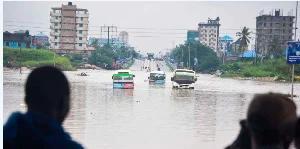
Severe rainfall and flooding across several regions in Tanzania have resulted in the tragic death of a child and the displacement of more than 600 households. The extreme weather has caused widespread destruction of property and infrastructure, particularly in the Mara, Kigoma, Mbeya, and Manyara regions. Regional authorities have reported that dozens of other residents sustained injuries as the heavy rains battered residential areas, leaving many families in urgent need of humanitarian assistance.
In the Mara Region, the impact has been especially severe. Regional Commissioner Brigadier-General Evans Mtambi confirmed the death of the child in the Rorya District. Preliminary assessments in the region indicate that over 400 houses were damaged or completely destroyed across the Bunda and Rorya districts alone. The scale of the destruction has left hundreds of individuals without shelter, as community leaders and emergency response teams work to identify the most vulnerable victims and coordinate relief efforts.
The flooding has not been confined to the northern regions, with significant disruptions also reported in Kigoma, Mbeya, and Manyara. Across these areas, the total number of affected households has surpassed 600, according to local government updates. The destruction extends beyond private residences to local infrastructure, complicating rescue and relief operations in some of the more remote districts. Authorities are currently conducting more detailed inspections to determine the total cost of the damage and the number of people requiring long-term relocation.
As the rainy season continues, government officials are urging citizens living in low-lying and flood-prone areas to move to safer ground to prevent further loss of life. Regional administrations are collaborating with disaster management teams to provide temporary shelter and essential supplies to those displaced. The immediate priority remains the provision of medical care to the injured and the restoration of basic services in the hardest-hit communities, while long-term reconstruction plans are being considered to improve resilience against future weather events.