••
Tamale Metropolis traders report increased profits from night activities
•2 min read•1 source
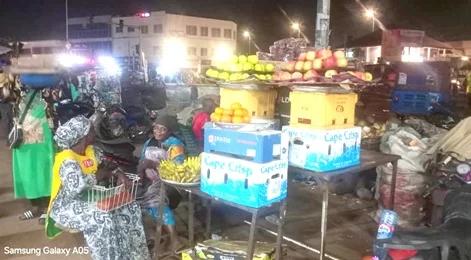
The Tamale Metropolis is experiencing a significant surge in night-time economic activity, with traders reporting a substantial boost in profits as the city’s streets remain active long after sunset. Centered around key hubs such as the Aboabo main lorry station and various taxi ranks, the burgeoning night market has become a vital lifeline for small-scale entrepreneurs. This shift toward nocturnal commerce reflects a growing trend in the northern regional capital, where the traditional daytime hustle is now being supplemented by a vibrant evening trade that caters to late-night travelers and local residents alike.
Local traders, including Akiru Abdul Hakim Mohammed and Bukari Lariba, have highlighted the unique advantages of operating during these hours. Many participants in the night economy point to reduced competition compared to the congested daytime hours as a primary driver of their success. Additionally, the operational costs for these small businesses are often lower at night, allowing for better profit margins on goods ranging from essential food items to general merchandise. The atmosphere at the Aboabo station, characterized by the glow of stalls and the steady arrival of transport vehicles, underscores the increasing reliance on this 24-hour cycle of trade.
Despite the evident economic benefits, the growth of Tamale’s night market has also brought several challenges to the forefront. Traders have expressed concerns regarding the current state of infrastructure, particularly the lack of adequate street lighting in some of the busiest trading zones. Improved visibility is seen as essential not only for attracting more customers but also for ensuring the safety and security of both sellers and buyers. Without consistent lighting, the risk of theft and accidents increases, potentially stifling the continued expansion of these profitable night-time activities.
To sustain this economic momentum, members of the trading community are calling for targeted government support and private sector investment. Beyond infrastructure improvements like street lights, there is a pressing demand for access to affordable credit to help small business owners expand their inventories and upgrade their stalls. As Tamale continues to establish itself as a city that never sleeps, the integration of these informal night markets into the broader urban development plan could prove pivotal for the metropolis's long-term financial health and the livelihoods of its residents.