••
Tafi Atome Monkey Sanctuary: A Model for Community-Led Conservation in Ghana's Volta Region
•2 min read•1 source
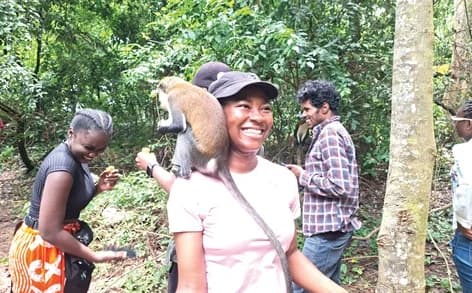
In the heart of Ghana’s Volta Region, the Tafi Atome Monkey Sanctuary stands as a testament to the harmonious coexistence between humans and wildlife. Spanning 360 hectares, this community-managed forest serves as a vital sanctuary for the Mona monkey population while functioning as a critical carbon sink that influences local rainfall patterns. The sanctuary has gained recognition for its ecological importance, demonstrating how a small farming community can play a pivotal role in environmental preservation through the protection of its natural heritage.
The relationship between the residents of Tafi Atome and the Mona monkeys is deeply rooted in local tradition and spiritual beliefs. Viewed as sacred, the monkeys are protected by long-standing local taboos that forbid hunting or harming them, ensuring their safety within the community’s borders. This cultural bond has fostered a unique tourism experience where visitors, often accompanied by local guides like Robert Dzandu, can interact closely with the primates. The monkeys, known for their friendly nature, have become accustomed to human presence and frequently accept bananas directly from tourists, a practice that has become a hallmark of the sanctuary’s appeal.
Despite its success, the sanctuary faces modern pressures from climate change and the expansion of agricultural activities into forested areas. To combat these threats, the Tafi Atome community has adopted a comprehensive conservation approach that merges ancestral wisdom with modern scientific knowledge. By actively involving residents in conservation efforts, the sanctuary not only protects biodiversity but also supports local livelihoods through ecotourism. This model underscores the potential of community-led initiatives to serve as a blueprint for sustainable development and wildlife protection across the continent.