••
New South Wales Police deploy armed patrols in Sydney tourist areas
•2 min read•1 source
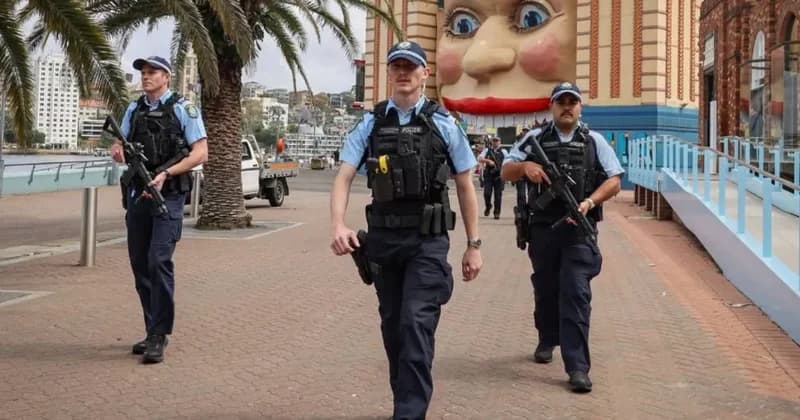
New South Wales Police have officially commenced patrols featuring heavily armed officers in busy tourist precincts and major event venues across Sydney. This security escalation is a direct response to a deadly attack at Bondi Beach in December last year, which resulted in 15 deaths and left a lasting impact on the national psyche. The deployment, managed by the Armed Response Command (ARC), introduces officers equipped with long-arm rifles into public spaces to enhance the state's capacity to prevent and respond to serious security threats.
The move follows a period of intense public debate and subsequent calls for stricter gun control and more robust counter-terrorism measures. The state's Police Minister defended the new measures, acknowledging that the violence of the previous year necessitated a more visible and formidable security presence. The ARC officers are specifically trained to handle high-risk scenarios that regular patrol officers might not be equipped for, with a focus on high-density areas where the risk of mass-casualty events is considered higher.
Public reaction to the presence of visible, military-grade weaponry on city streets has been mixed. While members of the Jewish community have welcomed the increased security amid concerns over rising antisemitism, other residents and civil liberties groups have expressed unease. Critics have raised concerns about the potential militarization of local policing and the long-term implications for human rights and community relations when high-powered firearms become a standard sight in civilian areas.
As the patrols become a regular feature of Sydney’s urban landscape, the legal proceedings surrounding the initial catalyst for these measures continue. One of the individuals allegedly involved in the Bondi Beach attack has been charged with 78 offenses, including multiple counts of murder. The state government maintains that these heightened measures are necessary to restore public confidence and ensure the safety of both residents and international visitors during major public gatherings.