••
Swiss and Senegalese wrestlers exchange traditions at Dakar Games
•2 min read•1 source
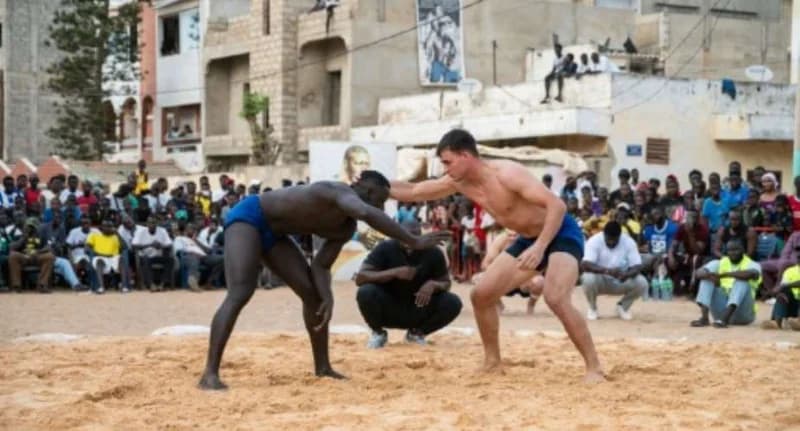
The Youth Olympic Games in Dakar recently hosted a unique cultural exchange as Swiss and Senegalese wrestlers met to bridge their distinct sporting traditions. The event featured three wrestlers from Switzerland and three from Senegal, who came together to showcase the techniques and rituals of their respective national sports. This exchange transformed the competitive arena into a space for mutual learning, blending the Swiss "Schwingen" tradition with the Senegalese "laamb" style in a demonstration that captivated spectators and participants alike. Central to the event was the immersive participation of the athletes in each other's customs. The Swiss wrestlers fully embraced the local culture, wearing traditional Senegalese attire and engaging in the spiritual and preparatory rituals that precede a "laamb" match. These rituals, which include rhythmic music and energetic dance, are integral to the Senegalese wrestling experience. By participating, the Swiss athletes demonstrated a profound level of respect for their hosts, while the Senegalese wrestlers shared the pride they take in a sport that serves as a cornerstone of their national identity. While the two styles have different technical foundations—Schwingen being a grappling art typically performed in sawdust and laamb allowing for various grips and strikes—the athletes focused on the underlying similarities of strength, balance, and discipline. The demonstration allowed the wrestlers to test their skills against unfamiliar movements, fostering a sense of camaraderie that transcended linguistic and geographical barriers. Officials from both nations praised the initiative, highlighting how such cultural mash-ups enrich the Olympic spirit by celebrating diversity rather than just competition. As the Youth Olympic Games continue to emphasize the importance of cultural education alongside athletic excellence, this wrestling exchange stands as a model for future events. The success of the Dakar demonstration suggests a growing appetite for sporting events that honor heritage while building international friendships. For the participants, the experience was more than just a series of matches; it was an opportunity to represent their countries in a way that prioritized understanding and shared humanity through the universal language of sport.