••
Sunyani Traders Raise Concerns Over Economic Impact of Influx of Modern Shopping Malls
•2 min read•1 source
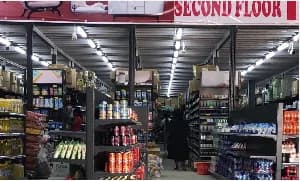
Local retailers in Sunyani, the capital of the Bono Region, are voicing significant concerns over the rapid proliferation of modern shopping malls in the area. This growing trend, according to market participants, is fundamentally altering the retail landscape of the city. Traditional traders, who have long been the backbone of the local economy, claim that the emergence of these large-scale commercial centers is creating an increasingly difficult environment for small-scale businesses to thrive or even survive.
The core of the grievance lies in the competitive pricing advantage held by these shopping malls. Traders, a significant majority of whom are women, argue that the lower prices offered by the malls are drawing customers away from traditional markets. Because malls often benefit from bulk purchasing power and more direct supply chains, they can offer goods at rates that small-scale retailers—who often buy from middle-men—simply cannot match. This price disparity is leading to a noticeable decline in foot traffic and market share for the individual vendors.
Beyond immediate sales losses, the traders fear a long-term displacement from the market. Many of these women have operated their businesses for decades, providing essential goods to the community while supporting their families. They warn that if the current trend continues without some form of intervention or adaptation, many local retailers may be forced to close their doors permanently. This situation reflects a broader national tension in Ghana as urban centers modernize, highlighting the need for a balance between modern retail development and the protection of traditional livelihoods.