••
Sunbeth Global Concepts and Ghana's MoFA Lead Regional Agribusiness Transformation Amid Sustainability and Climate Challenges
•3 min read•6 sources
West Africa’s agricultural landscape is undergoing a significant transformation as corporate leaders and government officials push for greater sustainability and self-sufficiency. In a landmark move for Nigeria, Sunbeth Global Concepts (SGC) has become the first agricultural firm in the country to adopt the IFRS S1 and S2 Sustainability Disclosure Standards. Launching its inaugural 2025 Sustainability Report, titled "Responsible Sourcing, Pioneering Action," the leading agro-commodities exporter detailed its commitment to ethical practices. Managing Director Olasunkanmi Owoyemi and Sustainability Director Oyinkansola Owoyemi highlighted milestones including the polygon-mapping of 140,000 hectares for traceability, the remediation of child labor cases, and the export of over 58,000 metric tonnes of cocoa in 2025.
While Nigeria celebrates corporate reporting milestones, Ghana is intensifying its efforts to reduce reliance on food imports. The Ministry of Food and Agriculture (MoFA), led by Minister Eric Opoku, has launched the Ghana Tomato Self-Sufficiency Initiative (GHATSI) in Anloga, Volta Region. This initiative aims to address the nation’s annual USD 400 million expenditure on tomato imports by building an integrated domestic value chain. GHATSI targets an annual production of 400,000 tonnes across 40 districts, with an initial goal of 100,000 tonnes for the 2026/2027 cycle. The program is designed not only to secure food supplies but also to stabilize farmer incomes and create sustainable employment opportunities for the youth.
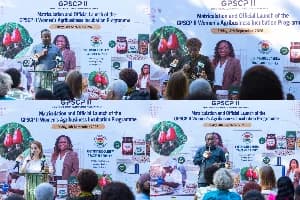
Innovation and empowerment are also taking center stage in the cashew sector. Ashesi University’s Ghana Climate Innovation Centre (GCIC), in partnership with the Ghana Private Sector Competitiveness Programme II (GPSCP II), has launched the Women’s Agribusiness Incubation Programme. Funded by the Swiss State Secretariat for Economic Affairs (SECO), the initiative focuses on transitioning women-led businesses from simple cashew trading to high-value creation. This push for value addition aligns with broader regional trends, though trade hurdles remain. In neighboring Ivory Coast, cocoa traders and cooperatives are facing significant pressure from a new digital traceability system mandated by upcoming European Union regulations, which experts fear could disrupt supply at the start of the 2026/27 season.
Despite these advancements in policy and industry standards, environmental challenges continue to threaten regional food security. In Ghana’s Sissala East and West districts, a prolonged dry spell has devastated several acres of maize and soybean crops. Farmers report that nearly a month without adequate rainfall since early August has led to yellowing plants and sharp declines in crop vitality. Environmentalists warn that if the dry conditions persist, the resulting crop failures could escalate into a national crisis, driving up food prices and undermining the livelihoods of rural communities. The contrast between these climate risks and the region's ambitious self-sufficiency goals underscores the urgent need for resilient agricultural infrastructure.
Live rates
Dollar to cedi rate →