••
Archaeologists discover monumental medieval cathedral floor in northern Sudan
•2 min read•1 source
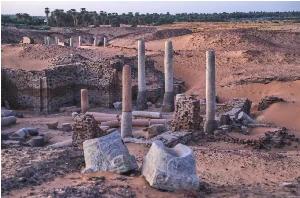
Archaeologists in northern Sudan have announced the discovery of a monumental medieval cathedral floor, a find that represents a significant milestone in African archaeology. The structure is situated in a region historically known for its medieval Nubian civilizations, which were prominent centers of power and religion during that era. This particular cathedral is being heralded as one of the largest churches ever built during its period, reflecting the architectural prowess and religious dedication of the people who inhabited the area centuries ago.
The sheer scale of the discovery has drawn comparisons to modern landmarks to illustrate its physical dimensions. Preliminary reports from the site suggest that the total floor area of the cathedral may be larger than that of the United States White House, a detail that highlights the massive engineering undertaking required for its original construction. While excavations are in their early stages, the presence of such a substantial foundation suggests that the site was once a major ecclesiastical center, likely serving as a seat of power or a significant pilgrimage destination within the medieval Christian kingdoms of the Nile Valley.
This discovery is expected to provide valuable insights into the cultural and religious history of Sudan and the wider African continent. Researchers and historians are optimistic that further study of the cathedral site will reveal more about the daily lives, artistic traditions, and social structures of the period. As the archaeological team proceeds with their work, the preservation of this monumental floor remains a priority, ensuring that this link to Sudan’s medieval past can be studied for years to come. The find underscores the importance of continued archaeological exploration to fully uncover the historical depth of the region.