••
Sudan bread prices double in Khartoum to 500 pounds
•2 min read•1 source
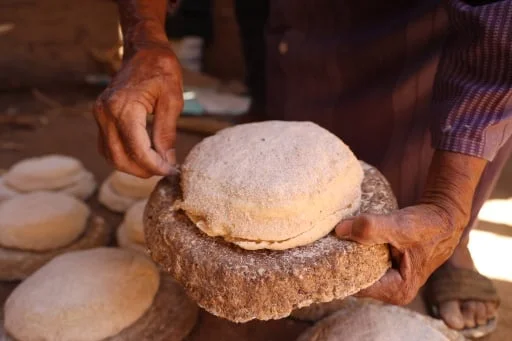
Sudan's capital, Khartoum, is grappling with a severe food crisis as the price of bread has doubled in just one week. The cost of a single loaf has surged from 250 to 500 Sudanese pounds, a development that is pushing basic staples out of reach for millions of residents already struggling with the effects of a devastating civil war. With nearly three and a half years of conflict, the country is facing a plummeting currency and soaring inflation, leaving many families unable to afford even the most fundamental necessities.
The dramatic price increase is largely driven by severe shortages of essential supplies, including flour and fuel. Most bakeries across the capital have been forced to shut down their operations because they can no longer source the ingredients or the power needed to produce bread. This supply chain collapse is compounded by frequent drone attacks that have disrupted power grids, further crippling the city's infrastructure. Consequently, citizens like Tikay Yasser Mohammed, a civil servant, report immense difficulties in obtaining petrol, which is essential for the distribution of whatever food remains available.
The economic strain has pushed poverty rates in Sudan to 80%, while inflation has reached a staggering 99%. For residents like Sawsan Mahmoud, the rising costs have made it nearly impossible to feed a family, forcing many to rely on community kitchens for free meals. These volunteer-run kitchens are becoming the last line of defense against starvation as the war continues to divide the nation and obstruct the delivery of humanitarian aid. International organizations have noted that the inability to access affordable food is rapidly accelerating a nationwide hunger crisis.
The humanitarian outlook for the region remains bleak, with international agencies warning of an impending famine that could affect approximately 20 million people across the country. United Nations reports indicate that if the conflict persists and the economic collapse remains unaddressed, famine conditions could spread to several major cities by 2027. The division of the nation by warring factions continues to complicate the distribution of life-saving resources, leaving the population of Khartoum and beyond in a state of perpetual vulnerability.