••
Sudan bread prices rise sharply due to acute flour shortages
•2 min read•1 source
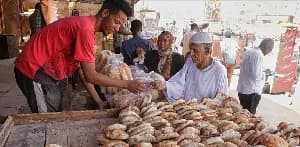
Residents across Sudan, particularly in Omdurman and Blue Nile state, are facing a severe food crisis as the cost of bread and meat continues to climb. The surge in prices is largely driven by an acute shortage of flour, a critical staple in the war-torn nation. This development has left many families struggling to afford basic nutrition, as the availability of bread, a primary dietary component, diminishes daily while the size of the loaves being produced continues to shrink. In the Blue Nile state, local authorities have attempted to manage the situation by permitting bakeries to sell two loaves for SDG 1,000. However, the implementation of these price controls has faced significant hurdles. Bakery owners report that flour manufacturers are frequently ignoring government-mandated price caps, leading to inflated wholesale costs that are then passed on to consumers. This disconnect between regulated prices and the actual cost of production has forced many bakeries to either raise prices further or reduce the quality and weight of their products. The current crisis highlights the deepening humanitarian challenges within Sudan as the ongoing conflict disrupts supply chains and manufacturing. With manufacturers and bakeries at odds over price adherence, the burden falls heavily on ordinary citizens. The meat market has similarly been affected by the economic instability, compounding the difficulties for households already dealing with the displacement and infrastructure collapse characteristic of the regional conflict. Without a stabilized supply of flour or effective enforcement of price regulations, the threat of widespread food insecurity continues to grow.