••
Sudanese army drone strikes kill over 300 people in Sudan and Abyei
•2 min read•2 sources
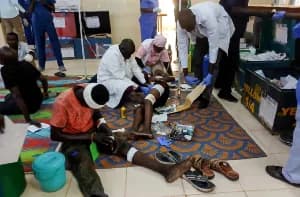
The Sudanese army has launched a series of drone strikes across western Sudan and the disputed Abyei region, reportedly killing more than 300 people. The military operations targeted high-traffic civilian areas, including a fuel market and a funeral procession, marking a severe escalation in the ongoing civil war between the national army and the paramilitary Rapid Support Forces (RSF). One of the most devastating single incidents occurred at the Amiet Market in Abyei, where local officials confirmed at least 153 people were killed.
The Sudanese military has claimed responsibility for the attacks, asserting that the drone strikes were intended to hit logistical hubs and positions occupied by the rival RSF. However, reports from the ground indicate significant civilian casualties, as drones struck a truck carrying mourners to a funeral and a bustling marketplace. In Abyei, the caretaker minister of information attributed the October 2 strike directly to the Sudanese military, highlighting the indiscriminate nature of the aerial bombardment in the contested border zone.
The strikes in Abyei have significantly heightened diplomatic tensions between Sudan and South Sudan. As a resource-rich territory claimed by both nations, any military intervention in Abyei is viewed as a breach of sensitive security protocols. The United Nations has condemned the continued attacks, emphasizing their devastating impact on civilians and essential services. International observers have noted that targeting markets and funerals constitutes a potential violation of international humanitarian law, particularly as the conflict continues to spread into civilian-populated regions.
The ongoing conflict is exacerbating an already dire humanitarian crisis, with millions of people in the region facing acute hunger and displacement. Beyond the immediate loss of life, the destruction of markets and transport infrastructure further cripples the distribution of essential goods. As the civil war shows no signs of abating, the international community remains deeply concerned about regional stability and the increasing difficulty of delivering aid to the millions of Sudanese caught in the crossfire.


