••
Stella Parton Condemns 'AI Garbage' Following Sister Dolly's Death as Zanzibar Honors Freddie Mercury
•3 min read•2 sources
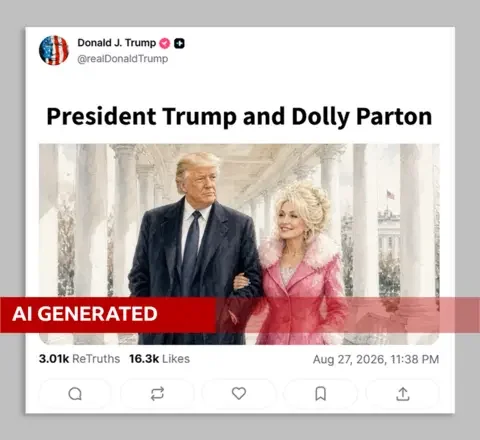
The global entertainment community is currently navigating the complexities of honoring music legends, as the family of the late Dolly Parton fights against digital distortion while Zanzibar celebrates the physical history of Queen frontman Freddie Mercury. Following the passing of country music icon Dolly Parton on August 25, 2025, at the age of 80, her sister Stella Parton has issued a passionate plea for fans and creators to cease the dissemination of what she termed "fake AI garbage" online. This call for respect and authenticity coincides with renewed global interest in the Freddie Mercury Museum in Zanzibar, which serves as a sanctuary for the early history of the legendary singer born Farrokh Bulsara 80 years ago.
In a poignant social media statement, Stella Parton expressed profound gratitude for the outpouring of genuine tributes that have surfaced since her sister's death. However, she sharply criticized the overwhelming volume of AI-generated content that has flooded platforms, describing such synthetic recreations as insensitive to a grieving family. Stella urged followers to practice compassion and focus on authentic remembrances. This outcry mirrors the sentiments previously expressed by the families of other late stars, including Robin Williams and Robert Redford, who have challenged the use of AI to replicate the likeness of public figures. Notably, Dolly Parton herself had shared her own apprehensions about the technology during her lifetime, warning of its potential to undermine human creativity.
While the digital realm struggles with issues of authenticity, the island of Zanzibar is offering a tangible connection to the past through the Freddie Mercury Museum. Located in the childhood home of the man originally known as Farrokh Bulsara, the museum provides an intimate look at the beginnings of a global superstar. The exhibition features a diverse array of personal memorabilia, including the artist's first piano, several of his iconic and flamboyant stage outfits, and rare handwritten lyrics. These artifacts offer fans a direct link to Mercury's creative process and his early life on the island, marking eight decades since the birth of the music icon.
These developments underscore the evolving ways in which the legacies of cultural icons are maintained and contested in the 21st century. Whether through the advocacy of family members like Stella Parton, who fight to keep the memory of their loved ones free from artificial manipulation, or through the careful curation of historic sites like the Mercury Museum, the focus remains on preserving the human element of stardom. As the world continues to celebrate the enduring influence of both Parton and Mercury, the dialogue between physical heritage and digital ethics has become a central theme in the management of celebrity legacies, reminding the public that behind every global icon is a real life deserving of respect.