••
Star Oil Ghana Limited Rejoins COMAC, Demanding End to Permanent Board Seats for Founding Members
•2 min read•3 sources
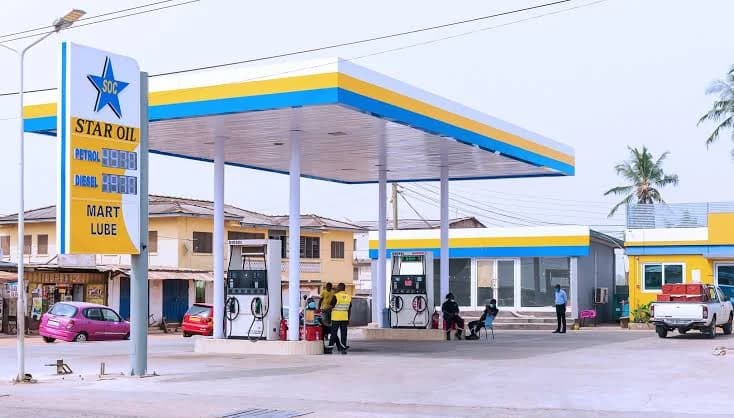
Star Oil Ghana Limited has officially rejoined the Chamber of Oil Marketing Companies (COMAC), ending a membership suspension that began in January 2026. The company’s return marks a significant moment for the downstream petroleum sector, as it is coupled with a firm demand for sweeping governance reforms within the industry body. In a letter dated October 1, 2026, Star Oil CEO Philip Tieku expressed that the decision to rejoin followed extensive consultations with industry stakeholders and repeated appeals from fellow members who seek a more unified front for oil marketing companies.
The core of Star Oil’s reform agenda is the abolition of permanent board seats currently reserved for three founding members of the Chamber. The company argues that this legacy arrangement is outdated and no longer reflects the modern dynamics of Ghana's petroleum market. According to Tieku, the concentration of leadership power among a few founding entities hinders broader participation and prevents the Chamber from being truly representative of its diverse membership base. Star Oil contends that while the founding members' historical contributions are recognized, the current structure limits the organization’s effectiveness and responsiveness.
To modernize the Chamber, Star Oil is advocating for the implementation of a transparent and democratic selection process for all board positions. The company believes that moving toward an elective system will enhance accountability and ensure that leadership is held to higher standards by the general membership. By pushing for these changes, Star Oil aims to foster a governance environment where decision-making is inclusive and based on current industry contributions rather than historical status. This shift is seen as essential for making COMAC a more potent advocate for the collective interests of all oil marketing firms.
The re-entry of Star Oil and its vocal stance on reform set the stage for a potential shift in the power dynamics of Ghana’s energy infrastructure advocacy. As the downstream sector faces evolving regulatory and economic pressures, the internal governance of COMAC will be a critical factor in how the industry negotiates with the government and other regulators. The coming months will likely reveal whether the Chamber’s leadership is willing to embrace the democratic reforms proposed by Star Oil to ensure long-term unity and industry-wide representation.
