••
Ekow Spio-Garbrah reveals Ghana is drafting reparations financing proposal
•2 min read•1 source
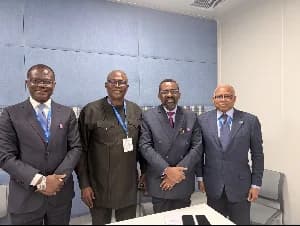
Former Trade and Industry Minister Ekow Spio-Garbrah has revealed that Ghana is currently developing a strategic framework for reparations financing. This proposal is being designed for submission to major international financial institutions, marking a significant step in the nation's efforts to seek formal compensation for historical injustices. The initiative focuses on addressing the deep-seated economic and social scars left by centuries of slavery and colonial rule, which continue to affect the development of African nations today.
The proposed framework is intended to create a standardized approach for quantifying the damages caused by the trans-Atlantic slave trade and subsequent colonial exploitation. Spio-Garbrah indicated that once the document is finalized and approved, it will serve as the primary basis for negotiations with global entities. By defining how funds can be systematically gathered and managed, the proposal aims to move the conversation from moral arguments to practical financial solutions. This structure would allow for a more organized pursuit of restorative justice, ensuring that reparations are channeled into tangible development projects.
This development comes at a time of growing international momentum regarding the issue of reparations for Africa. Ghana has been at the forefront of this movement, hosting conferences and advocating for a unified continental stance on the matter. The successful implementation of such a proposal would likely require the cooperation of multiple international stakeholders and a consensus on the legal and economic methodologies used to calculate compensation. As the drafting process continues, the Ghanaian government and its partners hope to present a compelling case that underscores the link between historical exploitation and modern economic challenges.