••
Earl Charles Spencer Alleges King Charles Reacted with "Euphoria" After Princess Diana’s 1997 Death
•2 min read•1 source
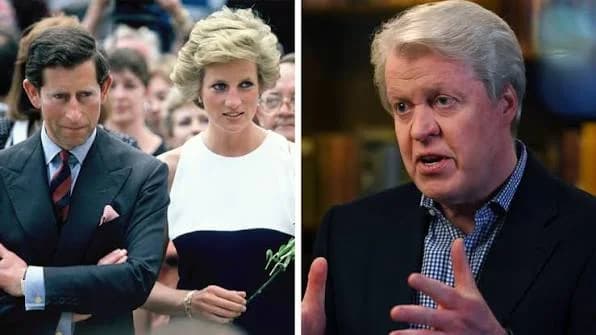
Earl Charles Spencer, the younger brother of the late Princess Diana, has sparked international controversy with revelations in his forthcoming memoir, "Swan Song: Diana, My Sister." The most striking allegation in the book is that the then-Prince Charles sounded "giddily elated" and spoke like a "lottery winner" upon learning of Diana’s tragic death in a 1997 car crash in Paris. Spencer, who was in Cape Town at the time of the accident, recounts a series of phone calls and interactions that he claims revealed a man more focused on his newfound personal freedom than on mourning the mother of his children.
According to the memoir, the atmosphere following the tragedy was further strained by disputes over the funeral arrangements for the young Princes William and Harry. Spencer describes a particularly cold and confrontational exchange in which the then-Prince allegedly dismissed the long-term impact of Diana’s passing by stating, "Rest assured, we’ll forget her soon enough." These claims paint a harrowing picture of the internal royal dynamics during one of the monarchy's most fragile moments, contrasting the public's overwhelming grief with what Spencer describes as a private sense of relief from the future King.
Buckingham Palace has taken the rare step of issuing a formal response to the claims, casting doubt on the reliability of Earl Spencer’s recollections. A statement from the Palace emphasized that the intense pain and shock of grief can significantly affect a person’s judgment and memory of events occurring decades ago. While the Palace has not elaborated on specific inaccuracies, the pushback suggests a concern regarding the potential damage these allegations could do to King Charles III’s reputation, especially as the memoir also delves into Diana’s struggles with mental health and the well-documented turbulence of the couple's marriage.
As the memoir’s publication date approaches this Tuesday, public opinion remains sharply divided. While some readers view Spencer’s account as a necessary historical perspective on Diana’s life and the pressures she faced within the Royal Family, others criticize it as a deeply personal invasion of privacy that reopens old wounds for her sons. Regardless of the public reception, the book is poised to reignite debates over the Royal Family's treatment of the "People’s Princess" and the enduring legacy of her complicated relationship with the British establishment.
