••
Spanish authorities seize 2,600kg of cocaine in Ghana coconut shipment
•2 min read•4 sources
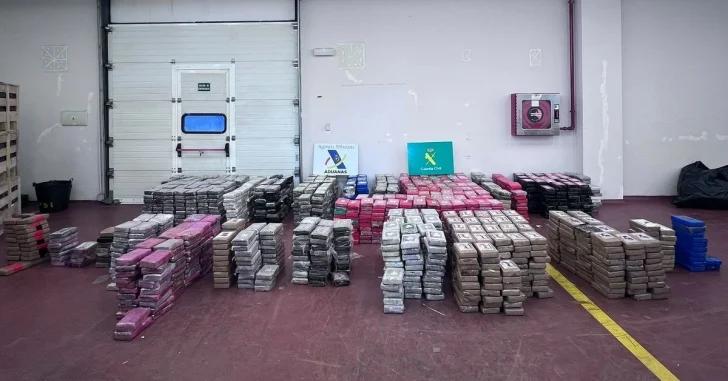
Spanish authorities have announced the seizure of 2,600 kilograms (2.6 tonnes) of cocaine discovered within a shipment of coconuts originating from Ghana. The operation, conducted at the port of Valencia, led to the arrest of two individuals in Almería who were attempting to take delivery of the illegal cargo. This significant interception underscores the persistent use of West African ports by international drug trafficking syndicates.
The illicit substances were concealed within shipping containers that had been loaded at Tema Port in Ghana on August 2, 2026. Upon the shipment's arrival in Valencia twenty days later, customs officials and the Guardia Civil (Civil Guard) flagged the containers as high-risk. A detailed inspection revealed that the cocaine packages were meticulously hidden in false bottoms beneath wooden crates used to transport the coconuts. Video footage released by the authorities showed officers using forklifts to tip over the crates, exposing the hidden stash.
Following the discovery, Spanish law enforcement monitored the cargo to identify the intended recipients. This surveillance led to the arrest of two men in Viator, Almería, as they moved to unload the shipment at a local warehouse. The joint operation involved Spain’s Tax Agency and the Civil Guard, who officially announced the findings on November 11, 2026, after completing the initial phase of their investigation.
This seizure highlights the ongoing challenges faced by Ghanaian port authorities and international law enforcement in curbing the flow of narcotics from West Africa to Europe. The use of legitimate agricultural exports, such as coconuts, as a front for large-scale cocaine trafficking remains a common tactic for cartels. While Spanish authorities have secured the current suspects, investigations continue into the broader network responsible for the shipment's origin and distribution.
ghanaweb.com
PrimaryafricaWatch video of how Spain intercepted 2.6 tonnes of cocaine shipment from Ghana
graphic.com.gh
africaSpain seizes 2,600 kilos of cocaine at port of Valencia hidden in Ghana coconut shipment, 2 people arrested
ghanaweb.com
africaSpain seizes 2,600kg of cocaine hidden in Ghana coconut shipment
classfmonline.com
africaSpain seizes 2.6 tonnes of cocaine hidden in coconut shipment from Ghana
