••
Spanish government rushes Ceuta asylum processing
•2 min read•1 source
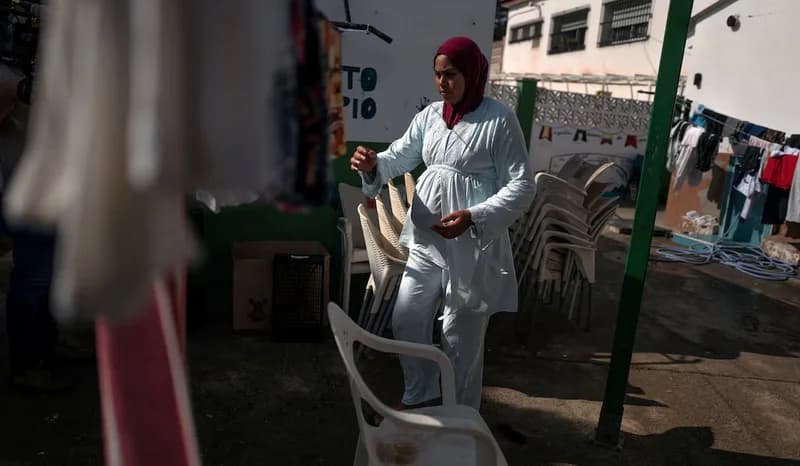
The Spanish government is facing intense scrutiny from non-governmental organizations (NGOs) and the European Union as it moves to clear a significant backlog of asylum applications in the North African enclave of Ceuta. The rush to process claims comes amid a snap election and mounting pressure to tighten immigration regulations, leading to reports of rights violations and deteriorating living conditions for thousands of migrants waiting for their cases to be heard. Critics argue that the accelerated pace of processing is compromising the thoroughness required for such sensitive legal determinations.
Vulnerable individuals, such as a heavily pregnant woman named Fatna and her disabled son, exemplify the humanitarian crisis unfolding at the border. Having crossed into Ceuta on July 30, Fatna now faces significant hurdles in obtaining the permits required to move to mainland Spain for urgent medical treatment for her newborn. Current government restrictions prevent many migrants from leaving the enclave, trapping them in inadequate facilities or makeshift shelters where access to healthcare and basic services remains limited and health crises are becoming more frequent.
Rights groups have raised alarms over systemic issues in the processing of asylum claims, including allegations of coercion and forced returns. Activists contend that the government’s haste to resolve the backlog is resulting in the inadequate assessment of individual cases, which could lead to the illegal expulsion of individuals who qualify for international protection. This administrative push coincides with a period of heightened political sensitivity as Spain prepares for elections, placing the management of the Ceuta border at the center of the national political debate.
The situation in Ceuta highlights the broader challenges facing Spain’s immigration framework as it attempts to balance border security with international human rights obligations. While the government seeks to streamline its administrative processes to address the backlog, the health crises and legal vulnerabilities of those on the ground suggest a need for a more robust humanitarian response. The outcome of these asylum decisions and the potential for more restrictive regulatory changes will likely remain a point of contention between the Spanish authorities and human rights advocates in the coming months.