••
South Sudan clashes in Ruweng leave 23 dead over four weeks
•2 min read•1 source
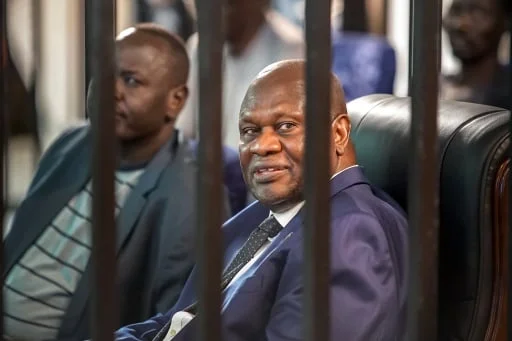
Violent clashes in South Sudan's Ruweng district between government forces and opposition groups have left at least 23 people dead over the past four weeks. The fighting involves troops loyal to President Salva Kiir and those aligned with former Vice President Riek Machar, who is currently detained. This surge in hostilities comes at a critical juncture as the nation prepares for its first national elections since independence, currently scheduled for December 22. The intensifying conflict has already forced more than 100,000 people to flee their homes, creating a significant humanitarian challenge in the region.
The fighting in Ruweng reflects deeply rooted political and ethnic tensions that have plagued the country for years. Although various peace agreements have been attempted, the recent escalation indicates a breakdown in security arrangements designed to stabilize the country during the transitional period. Beyond the loss of life, the violence has disrupted local communities and sparked a mass exodus of civilians who are now in urgent need of food, water, and shelter. Thousands are reported to be fleeing the conflict zone daily as the skirmishes continue to spread across the district.
Political analysts and regional observers warn that the ongoing unrest could jeopardize the feasibility of the upcoming December polls. The transition to a democratic vote is viewed as a pivotal moment for South Sudan's future, yet the inability to maintain a ceasefire in regions like Ruweng raises serious doubts about the government's ability to provide a secure environment for voters. The continued mobilization of opposition forces suggests that both sides are positioning themselves for control over key administrative and resource-rich areas ahead of the electoral deadline.
The international community has expressed growing concern over the displacement of over 100,000 citizens, which threatens to ignite a broader humanitarian crisis in an already fragile state. As the December 22 election date nears, the government in Juba faces mounting pressure to de-escalate the situation in Ruweng and return to the terms of existing peace frameworks. Experts fear that if the violence is not contained, these local skirmishes could serve as a catalyst for wider national instability, undermining years of diplomatic efforts to secure lasting peace.
