••
South Sudan recruits 10,000 police officers for December elections
•2 min read•1 source
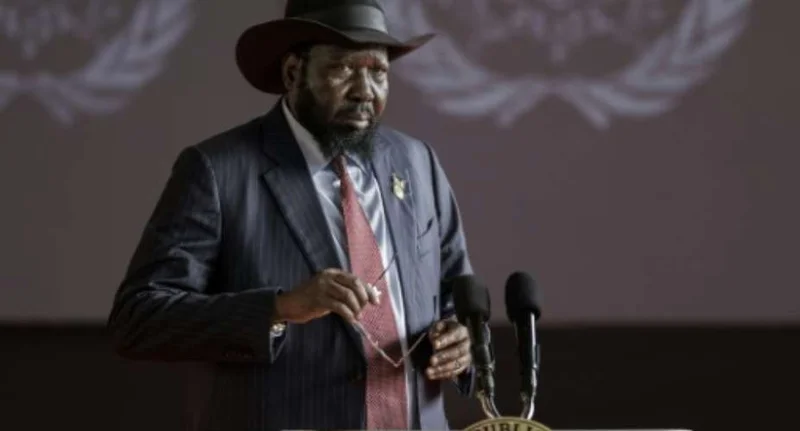
The South Sudanese government has launched a major recruitment drive to enlist 10,000 new police officers to bolster security ahead of the country's first-ever general elections. Scheduled for December 22, the polls represent a significant milestone in the nation's history, though preparations are being conducted against a backdrop of deep-seated logistical and political challenges. President Salva Kiir has continued to push for the elections to proceed as planned, despite ongoing warnings from various stakeholders regarding the country's actual readiness for the vote.
The recruitment exercise has sparked a sharp divide between government officials and civil rights activists. While the administration maintains that the additional personnel are necessary to ensure a peaceful voting environment and manage the polls, critics have raised concerns that the new force could be used to suppress opposition and maintain government control. These fears are compounded by the slow implementation of the 2018 peace agreement, which was intended to stabilize the country and provide a clear framework for a democratic transition.
Beyond security concerns, South Sudan continues to struggle with high levels of insecurity, widespread poverty, and systemic corruption, as highlighted by its recent low ranking in Transparency International’s global indices. Analysts suggest that without proper resources and a demonstrably neutral security apparatus, the credibility of the upcoming vote remains at risk. As the December deadline approaches, the international community and local observers are monitoring whether the recruitment drive will protect the democratic process or serve as a tool for political intimidation.
