Anansi News
HomeBriefsAsk GhanaTopicsTools
•
•

Stay Informed

Get AI-curated news briefs from Ghana delivered to your inbox every morning. Free forever, no spam.

Explore

  • Home
  • Briefs
  • About

Categories

  • Politics
  • Business
  • Sports
  • Entertainment
  • Africa

Features

  • Analysis
  • Cedi Rates
  • Dollar to Cedi
  • Ghana Gold Price
  • BoG Policy Rate

Topics

  • Armed Forces Recruitment
  • WAEC Results & News
  • Nana Ama McBrown
  • NDC News
  • All Topics

Legal

  • Privacy Policy
  • Terms of Service
Anansi News© 2026. All rights reserved.
Made withfor Ghana
africa

Security and Social Justice Roundup: South Africa Deploys Military Amid Xenophobic Tensions as Ghana Battles Rising Abuse Cases

1st April•3 min read•17 sources
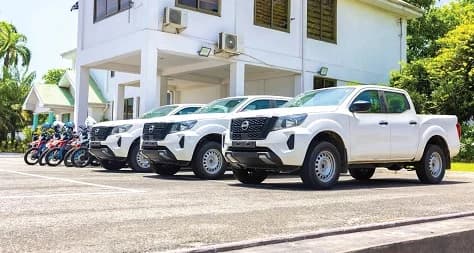
The vehicles and motorbikes
  1. Home
  2. /Africa
  3. /Security and Social Justice Roundup: South Africa Deploys Military Amid Xenophobic Tensions as Ghana Battles Rising Abuse Cases

Southern and West Africa are currently navigating a complex landscape of security operations and social justice challenges. In South Africa, President Cyril Ramaphosa has authorized the deployment of 2,200 military personnel to assist police in five provinces, including Gauteng and the Western Cape, to combat a surge in violent crime, illicit mining, and gang activity. This year-long operation, which includes an intelligence-driven approach to dismantle criminal networks, comes as the nation reports approximately 60 homicides daily. However, the deployment has met with skepticism from local residents and security experts who fear the military’s presence may lack the community policing nuances required to address the root causes of violence without repeating past abuses.

Simultaneously, diplomatic and communal tensions have escalated in South Africa’s Eastern Cape following a violent anti-illegal immigration protest in KuGompo. The unrest, which led to the looting of shops and burning of vehicles, was triggered by local opposition to the ceremonial installation of a Nigerian community leader, Solomon Ogbonna Eziko. The Nigerian High Commission has issued a safety warning to its citizens, urging limited movement as local authorities distance themselves from the event. These incidents have reignited national discussions on xenophobia and the political friction between migrant communities and traditional South African authorities.

In Ghana, social justice advocates are raising alarms over a disturbing rise in sexual and gender-based violence (SGBV), particularly in the Upper East Region. Regional Gender Desk Officer Ms. Rita Mbamah reported that at least six minors under the age of 16 were defiled between July 2025 and March 2026, including schoolgirls allegedly targeted by their own teacher. James Twene, the Acting Regional Director of the Department of Gender, has called for a strict policy of zero interference from community leaders and families in these cases. He emphasized that such interference obstructs the judicial process, emboldens perpetrators, and denies victims the justice necessary to deter future crimes.

Bolstering national security and accountability, the Ghana Police Service recently conducted a successful operation in the Northern Region, arresting 11 suspects—all Nigerian nationals—linked to internet fraud and drug peddling. This crackdown coincided with a significant logistical boost for the service, as the Lebanese Embassy and community donated GH""2 million worth of vehicles and medical equipment to enhance operational efficiency. In a parallel effort to protect the democratic space, the Whistleblowers, Activists and Journalist Safety International Center (WAJSIC), founded by investigative journalist Anas Aremeyaw Anas, completed an intensive training program to equip West African media professionals with essential skills in risk assessment and self-defense.

As these nations move forward, the focus remains on institutional strengthening and professionalization. While the Ghana Armed Forces recently celebrated the 31-year career of Chief Warrant Officer Daniel Addo in a ceremonial handover to Master Warrant Officer Alhassan Zakaria, the broader regional context underscores the need for continued vigilance. Whether through military deployment in South Africa or judicial advocacy in Ghana, the success of these initiatives will depend on the ability of state institutions to protect the vulnerable and maintain public order without compromising human rights.

Our Take

From the Team

Coming Soon

Our team will add key insights, trends, and actionable takeaways to help you stay informed faster.

This story touches markets covered on Anansi Intelligence ↗.

Related topic

Ghana Armed Forces Recruitment: Latest News & Updates →

More from africa

Continue exploring similar stories

The conference
africa|Yesterday

AME Zion Church Proposes Ministry Reforms in Ghana While Nigeria Overhauls National Football Governance

African institutions are facing a period of significant structural transition as both religious and sporting bodies move to modernize their operations. In Ghana, the African Methodist Episcopal (AME) Zion Church, under the leadership of Rt Rev. Dr Hilliard K. Dela Dogbe, has called for a fundamental transformation in ministry approaches to better serve a contemporary audience. Speaking at the church's biennial conference in Cape Coast, Dr. Dogbe emphasized that the church must address the specific challenges of different age groups, particularly young adults struggling with employment after graduation. The church is also expanding its mission to include environmental stewardship and sanitation, with the Central Regional Minister urging religious leaders to use the pulpit to influence positive social behavior. This holistic approach reflects a growing trend of religious institutions taking an active role in national development and youth welfare. Simultaneously, in Nigeria, the national football landscape is undergoing a major governance overhaul following the resignation of the Nigeria Football Federation (NFF) executive leadership. President Bola Tinubu has called for comprehensive reforms after the departure of former NFF President Ibrahim Gusau and General Secretary Mohammed Sanusi. The move comes as Nigeria’s national teams face intense scrutiny following poor performances and missed qualification for major tournaments, including the Women’s World Cup. An interim board led by Emmanuel Ikpeme and Ademola Olajire has been appointed to manage the federation's affairs while planned elections are postponed to allow for the implementation of these critical reforms. These developments in Ghana and Nigeria underscore a broader regional movement toward institutional accountability. Whether addressing the spiritual and socioeconomic needs of congregants in Cape Coast or the administrative failures of sports management in Abuja, leadership across the continent is being challenged to implement reforms that provide better outcomes for the public. The success of these transitions will depend on the sustained commitment of the new interim leaders and the ability of established organizations like the AME Zion Church to translate their calls for reform into tangible community impact.

The Shaolin Temple in Zambia is the first in Africa.  By GIANLUIGI GUERCIA (AFP)
africa|Yesterday

World Bank Highlights Ghana’s Road Deficits as Libya Grapples with Energy Crises and Zambia Hosts Africa’s First Shaolin Temple

Across the African continent, a complex tapestry of infrastructure challenges and cultural shifts is unfolding, ranging from severe energy shortages in North Africa to logistical hurdles in West Africa and soft-power diplomacy in the south. In Libya, an oil-rich nation is paradoxically struggling with a deepening energy crisis that has left citizens facing peak summer temperatures without reliable electricity or fuel. Meanwhile, new data from the World Bank reveals significant infrastructure gaps in Ghana, where a vast majority of the road and rail networks remain underdeveloped or in decay. Amidst these structural difficulties, Zambia is witnessing a unique cultural transformation through the establishment of Africa’s first Shaolin Temple, blending Chinese traditions with local youth development. In Libya, the energy crisis has reached a critical point, with long power cuts and fuel shortages disrupting daily life and business operations. Experts attribute these failures to a combination of political deadlock, corruption, and the poor maintenance of existing power infrastructure. This crisis has become one of the worst in recent years, making it difficult for citizens to maintain basic functionality as temperatures soar. The situation underscores the fragile state of governance in the country, where despite vast natural resources, the basic needs of the population remain unmet due to ongoing conflict and systemic instability. To the south in Ghana, the World Bank has provided a sobering assessment of the nation’s transport infrastructure. Only 27% of Ghana’s 94,200 km road network is currently paved, with more than half of the total network classified as being in fair-to-poor condition. This lack of road quality is not merely a logistical inconvenience but a significant economic burden, with road accidents estimated to cost the country approximately US$4.55 billion annually. Furthermore, the rail sector has seen a dramatic decline, shrinking from 947 km of operational track in 1960 to just 160 km by 2020, which has drastically reduced public access to rail transport from 30% to less than 1%. Contrasting these developmental hurdles is the story of the Shaolin Temple near Lusaka, Zambia, which serves as a beacon of cultural exchange and youth empowerment. Spanning 20,000 square meters, the temple offers martial arts training to underprivileged youth, providing them with discipline and a sense of direction. The fusion of Chinese kung fu and Zambian culture has gained significant traction on social media platforms like TikTok, showcasing a 'softer' side of China’s presence in Africa. These diverse narratives from Libya, Ghana, and Zambia illustrate the dual nature of the continent’s current trajectory: the persistent struggle to maintain and modernize physical infrastructure, and the growing importance of international cultural partnerships in shaping the future of African youth.

Algeria Mourns Wildfire Victims as Eswatini and Ghana Confront Complex Migration and Security Challenges
africa|Yesterday

Algeria Mourns Wildfire Victims as Eswatini and Ghana Confront Complex Migration and Security Challenges

Africa is currently navigating a series of diverse national crises, ranging from environmental disasters in the north to shifting migration patterns in the south and west. In Algeria, a state of national mourning has been declared following deadly wildfires that have devastated local communities. Meanwhile, the Kingdom of Eswatini is proceeding with a controversial migrant resettlement agreement with the United States, and authorities in Ghana are intensifying efforts to protect citizens from the growing threat of human trafficking and fraudulent overseas employment schemes. In Algeria, President Abdelmadjid Tebboune has declared three days of national mourning after forest fires claimed at least 12 lives and left 54 individuals hospitalized with severe burns. The Interior Ministry reports that multiple fires remain active, with firefighting efforts significantly hampered by extreme weather conditions, including record-breaking heat and high winds. These incidents have reignited concerns regarding the impact of climate change on the region, following a similarly destructive fire season in July 2023 that caused widespread loss of life and property. Further south, the Kingdom of Eswatini received two more migrants deported from the United States on Thursday. These individuals, originally from Latin America, are part of a group of 32 deportees accepted since July under a $5 million agreement intended to bolster the kingdom's migration management infrastructure. While the Eswatini government emphasizes that these deportees are only temporary guests—noting that some have already transitioned back to their home countries—the program remains under international scrutiny due to Eswatini’s human rights record and reports of confusion among the arriving migrants. In West Africa, the Ghana Immigration Service (GIS) has issued an urgent warning to young job seekers to be wary of fraudulent recruitment agencies. Deputy Commissioner of Immigration Mark Asamoah-Boakye highlighted the increasing danger of human trafficking linked to fake overseas job offers. To combat this, the GIS is advising the public to utilize a government-established portal to verify the authenticity of private employment agencies. This proactive measure follows frequent interceptions of suspicious border crossings where victims often face severe exploitation after being lured by deceptive promises of prosperity abroad. These developments underscore the multifaceted challenges facing African nations today. Whether managing the humanitarian fallout of extreme weather events or navigating the complexities of international migration and human security, regional governments are being forced to adapt. From Algeria's climate-driven emergencies to the GIS’s call for vigilance against criminal exploitation, the continent remains at a critical juncture requiring both robust national policy and enhanced regional cooperation.

A participant trying to put out a fire from the simulation exercise as part of the training
africa|Yesterday

Sanitopia Appoints Victoria Blackwood as Global Ambassador Amid Broader Public Health and Community Resilience Efforts

Sanitopia CIC has taken a significant step toward addressing Africa’s sanitation crisis with the appointment of Victoria A. Blackwood as its Global Ambassador. This strategic move is part of a broader momentum across Ghana and the continent to enhance public health, community safety, and local livelihoods. Richard Acheampong, the Founder and Executive Director of Sanitopia, emphasized that Ms. Blackwood’s extensive background in health, executive assistance, and brand management will be pivotal in driving the organization’s mission to build 10,000 modern sanitation facilities across Africa by 2035. In her new role, Ms. Blackwood will lead public education initiatives, engage regional stakeholders, and foster strategic partnerships to advocate for safe sanitation infrastructure. The organization recently demonstrated its commitment by partnering with the Ghana Library Authority to establish a 12-seater WASH (Water, Sanitation, and Hygiene) facility at the George Padmore Research Library in Accra. This project serves as a model for the thousands of communities Sanitopia aims to reach, highlighting the critical link between modern infrastructure and improved public health outcomes. Complementing these long-term health efforts are immediate initiatives aimed at improving the safety and economic resilience of local industries. In Sekondi and Essikado, Karpowership Ghana recently conducted a comprehensive capacity-building program for fishermen and fishmongers. Developed in collaboration with the Ghana National Fire Service and the Fisheries Commission, the training focused on environmental safety, fire prevention, and hygienic fish handling. By addressing recent fire incidents at the fishing harbor and providing financial management training, the program seeks to protect both the lives and the long-term economic stability of those in the coastal sector. However, the path to improved public health is often complicated by logistical and infrastructural hurdles. Ghana Water Ltd (GWL) recently announced a temporary disruption of water supply to Western Accra after a 500mm-diameter pipeline was damaged during excavation works for storm drains. The incident has affected residents in Mallam, Darkuman, and Kaneshie. Despite repair challenges exacerbated by local flooding, GWL is working to restore services. This disruption serves as a stark reminder of the fragile balance between urban development and the reliable delivery of essential utilities like clean water. These collective developments underscore the multifaceted nature of community development in Africa today. From Sanitopia’s ambitious 2035 vision to the practical safety training provided by Karpowership and the urgent repairs managed by GWL, sustainable progress depends on coordinated efforts between NGOs, private enterprises, and government agencies. As Ms. Blackwood begins her ambassadorship, the focus remains on building resilient systems that can withstand environmental challenges while meeting the growing demands of urbanization.

All
africa
business
education
entertainment
health
news
politics
sports
technology