••
Ghanaian Music Industry Faces Critical Turning Point Amid Calls for Sustainable Investment and Career Longevity
•3 min read•4 sources
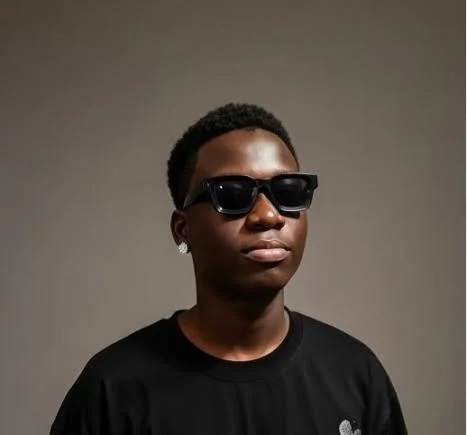
The Ghanaian music industry is currently at a crossroads, marked by unprecedented international reach and significant internal challenges regarding career sustainability. While established acts such as Sarkodie, Stonebwoy, and Black Sherif continue to secure major international collaborations that project Ghanaian culture globally, emerging voices are sounding alarms about the precarious nature of fame. Nathaniel Kwabla Seanehia, known professionally as Sosa Kidd, has recently called for a paradigm shift in how the industry treats new talent. He argues that the current culture prioritizes temporary hype over long-term investment, leaving many young musicians without the structural support needed to navigate the complex business side of the arts.
This lack of institutional support is underscored by the recurring phenomenon of artists who fade into obscurity after achieving massive national hits. Industry analysts point to a stark divide between those who successfully leverage initial success into enduring brands and those who succumb to the financial and psychological pressures of the industry. Sosa Kidd, who balances his musical ambitions with studies in Nautical Science, emphasizes that without mentorship and proper distribution networks, many talents are doomed to remain one-hit wonders. His recent single, "Fly High," serves as an anthem for this ambition, reflecting the desire of many young artists to transcend the cycle of fleeting popularity that has claimed the careers of several once-prominent predecessors.
Beyond the professional struggle for longevity, a growing number of Ghanaian celebrities are redefining the relationship between their public personas and private lives. In an era dominated by social media oversharing, a reserved class of entertainers has emerged, choosing to keep their partners and children away from the public eye. This trend contrasts sharply with the influencer-driven model of fame, as these stars opt for rare, curated glimpses into their domestic lives rather than constant updates. By maintaining these boundaries, these public figures are attempting to protect their family stability from the often-harsh scrutiny that accompanies Ghanaian stardom, proving that a successful career does not always require a public personal life.
Ultimately, the evolution of Ghana's entertainment sector depends on balancing these diverse elements: securing high-profile international partnerships, fostering a sustainable investment environment for newcomers, and respecting the personal boundaries of performers. As the industry matures, the focus is shifting from merely generating hits to building a resilient ecosystem that supports artists from their debut until they reach legendary status. Whether through better business structures or more strategic personal branding, the goal remains ensuring that Ghanaian talent not only reaches the global stage but maintains a lasting presence there.
Related topic
Sarkodie: Latest News & Updates →

