••
Sophia Momodu Addresses UN General Assembly on Stigma of Pregnancy and Religious Pressures
•2 min read•3 sources
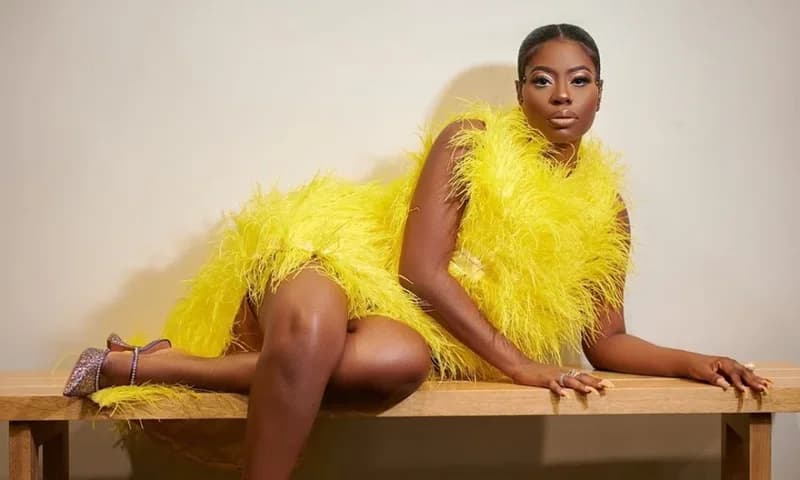
Nigerian influencer and entrepreneur Sophia Momodu shared a deeply personal narrative of resilience during a recent side event at the United Nations General Assembly (UNGA) in New York. Momodu, who rose to prominence through her relationship with Afrobeats star Davido, utilized the high-profile international platform to address the emotional and psychological abuse she endured after becoming pregnant out of wedlock. Her testimony provided a raw look at the intersection of public scrutiny, personal trauma, and conservative societal expectations.
Central to Momodu’s address was the specific pressure she faced as the daughter of a pastor. She detailed how her religious upbringing intensified the mockery and stigma directed at her once her pregnancy became public knowledge. According to Momodu, the weight of her family’s spiritual leadership made her a primary target for overwhelming negative criticism, which she described as a form of psychological abuse. This period of her life was characterized by a profound sense of shame that effectively silenced her, severely impacting her mental health and self-expression.
Despite the initial psychological toll and the weight of public ridicule, Momodu emphasized her journey toward recovery and self-assertion. She shared with the UN audience how she eventually reclaimed her voice, moving past the shame to become an advocate for others facing similar societal pressures. Her story highlights the unique challenges faced by women in Nigerian society, particularly those from religious backgrounds, where communal judgment can often lead to long-term emotional distress and social isolation.
By speaking at a UNGA event, Momodu has transitioned from a figure often defined by tabloid headlines to a prominent voice discussing systemic social issues. Her transparency serves as a pointed critique of the culture of shaming prevalent in both digital spaces and traditional communities. As she continues her career as an entrepreneur, her latest public appearance marks a significant step in her efforts to use her platform for broader social commentary and the empowerment of women navigating the complexities of modern African identity.


