••
Somalia schedules presidential election for May 15
•2 min read•1 source
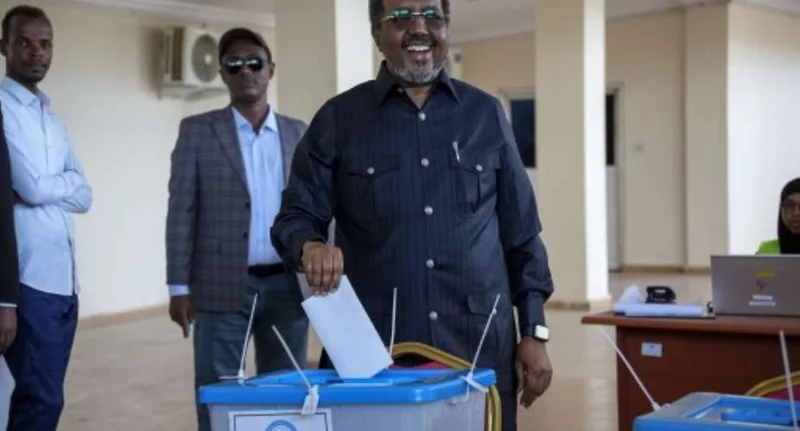
The Somali government has officially announced that parliamentary and presidential elections will be held on April 15 and May 15, respectively. This announcement marks a critical attempt to stabilize the nation's political landscape following the end of President Hassan Sheikh Mohamud’s second term earlier this year. Despite the conclusion of his constitutional mandate, the government had declared a "transition period," a move that heightened political tensions across the Horn of Africa nation. These upcoming polls are seen as a test of the country’s progress toward democratic governance after years of indirect voting systems. The scheduled dates have been met with a mixture of anticipation and deep-seated skepticism from various political quarters. Opposition leaders and regional rivals have voiced concerns that the electoral plan lacks the necessary consensus to ensure a peaceful transition. Many fear that proceeding without a unified political agreement could potentially trigger further conflict in a country already grappling with deep internal divisions. Regional leaders, in particular, have shown resistance to President Mohamud’s push for a standardized democratic electoral model, preferring traditional or regional-led processes that they believe better reflect local political realities. Compounding these political hurdles is the persistent threat of insecurity. Somalia continues to battle an ongoing Islamist insurgency that controls significant portions of the territory. Stability remains particularly fragile in areas like South West State, where local grievances intersect with national power struggles. Analysts warn that the fragmentation of the country makes the logistical execution of a nationwide vote extremely difficult, especially as the government attempts to move toward a more direct voting system. The ability to secure polling stations and ensure voter safety remains a paramount concern for all stakeholders involved. As the April and May deadlines approach, the international community and domestic observers are watching closely to see if the government can bridge the gap with its opponents. The path to the polls will require significant diplomatic maneuvering to bring regional stakeholders on board and ensure that the election is seen as legitimate by the Somali public. Without such a breakthrough, the risks of electoral violence or a further breakdown in the transition process remain high, potentially undermining the modest gains made in state-building and security over the past decade. Success will depend on whether political leaders can prioritize national stability over partisan interests.


