••
Somalia Supreme Court declares Hassan Sheikh Mohamud term extension unlawful
•2 min read•3 sources
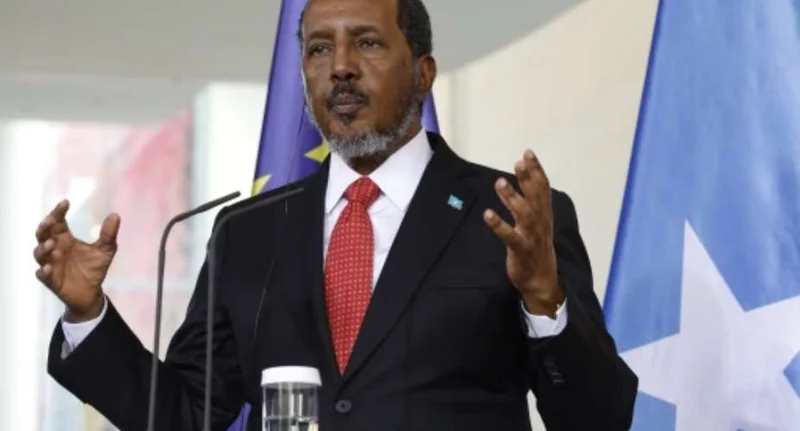
The Supreme Court of Somalia has declared the one-year extension of President Hassan Sheikh Mohamud's term unlawful and invalid. In a ruling delivered on Thursday, the court held that recent constitutional amendments intended to facilitate a transition toward democratic elections do not apply to the president's current term. The judiciary maintained that President Mohamud’s tenure should have officially concluded in May and called for the establishment of a new political agreement and the conduct of elections within the next 90 days.
The ruling has triggered immediate political turmoil and accusations of judicial obstruction against the executive branch. Following the decision, President Mohamud moved to dismiss the Chief Justice, an action the Supreme Court subsequently deemed invalid. Reports emerged of troops being deployed in an attempt to arrest the Chief Justice, leading to a direct confrontation between the presidency and the judiciary. Former Prime Minister Hassan Ali Khaire condemned these developments, describing them as a severe threat to the rule of law and highlighting the physical repression faced by judicial officials in the wake of the ruling.
This deepening political impasse comes at a precarious time for Somalia, which continues to battle a persistent insurgency by the Al-Shabaab militant group. While the government argued that the term extension was necessary to reform the political system and prepare for direct elections, rivals have viewed the move as a unilateral power grab. The current instability, compounded by diminishing international military and financial support, raises significant concerns that the leadership crisis could embolden insurgent groups and reverse the country's recent security gains.