••
Somalia Supreme Court rejects Hassan Sheikh Mohamud's term extension
•2 min read•1 source
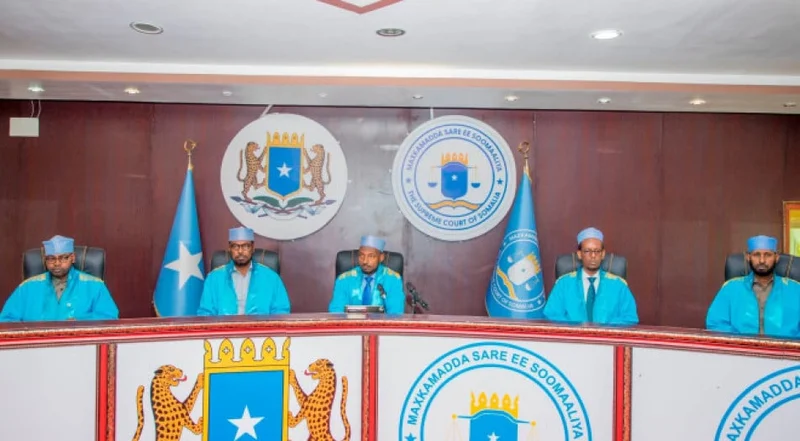
Somalia's Supreme Court has delivered a landmark ruling, declaring President Hassan Sheikh Mohamud's attempt to extend his presidential term unlawful. The court's decision nullifies legislative adjustments that had added an additional year to the president's tenure beyond its original expiration date. This ruling marks a significant constitutional showdown in the East African nation, as the judiciary asserts its independence against executive overreach.
In addition to striking down the term extension, the Supreme Court nullified the executive's dismissal of Chief Justice Bashe Yusuf Ahmed. The court cited illegitimate interference by the executive branch in judicial affairs, effectively reinstating the Chief Justice. The ruling explicitly voids the legal framework used by the legislature to adjust the electoral calendar, which critics had previously described as a move by the administration to consolidate power despite political opposition.
The judicial order places immediate pressure on Somalia's political leadership to resolve the mounting crisis. The court has mandated that an electoral roadmap be established within 30 days, with the further requirement that national elections proceed within a 90-day window. This timeline directly conflicts with the government's current proposed schedule, creating a legal and political impasse that requires urgent mediation among the country's various political stakeholders and federal states.
This ruling comes amidst escalating security concerns, with reports of armed forces gathering near judicial facilities in the capital. This deployment highlights the precarious balance of power in a nation already grappling with significant national security challenges and internal divisions. The outcome of this constitutional struggle will likely determine the future of Somalia’s democratic processes and the strength of its institutional checks and balances as it moves toward its next election cycle.

