••
Somali federal forces kill 75 Al-Shabaab militants in Lower Shabelle
•2 min read•1 source
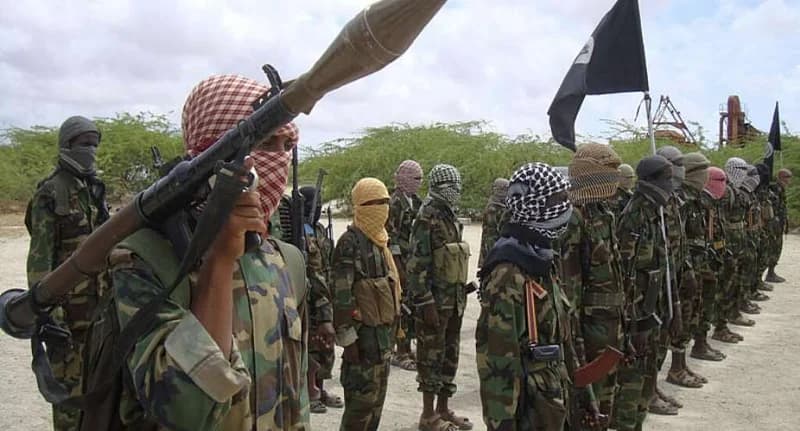
The Somali Ministry of Defence has announced that federal forces killed 75 Al-Shabaab militants and wounded 56 others during a significant military offensive in the Lower Shabelle region. The operation targeted insurgent strongholds as part of ongoing efforts to degrade the group's capabilities in the central and southern parts of the country. However, the true scale of casualties remains difficult to verify independently as the militant group has issued a starkly different account of the engagement.
According to reports, the clashes involved Turkish-trained Somali troops and an allied militia who were targeted by Al-Shabaab insurgents using explosive-laden vehicles. While the government maintains it successfully repelled the assault and inflicted heavy losses on the militants, Al-Shabaab claimed via its propaganda channels to have killed 321 government soldiers. Local reports indicate that the intensity of the fighting prompted the Somali government to convene an emergency meeting to assess damage to military equipment and coordinate responses to the high-intensity tactics employed by the group.
This escalation in violence occurs against a backdrop of increasing uncertainty regarding international military support for Somalia. The sustainability of the offensive against Al-Shabaab has been called into question following the United States' decision to cease funding for certain key support operations. This reduction in financial and logistical backing poses a significant challenge to the Somali federal government, which relies heavily on international partners for training, intelligence, and operational maintenance.
The conflicting reports on casualties highlight the ongoing information war between the state and the insurgents, where both sides use figures to bolster morale and signal strength. As Somalia continues its transition toward taking full responsibility for its own security, the ability of federal forces to maintain momentum without consistent external funding will be a critical factor in determining the long-term stability of the Lower Shabelle region and the success of the broader counter-insurgency campaign.