••
Solomon Asamoah loses Supreme Court bid to halt $2m SkyTrain trial
•2 min read•4 sources
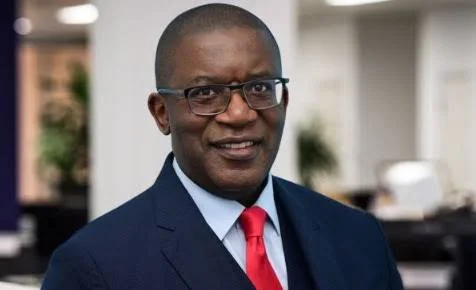
The Supreme Court has dismissed an application by Solomon Asamoah, the former Chief Executive Officer of the Ghana Infrastructure Investment Fund (GIIF), which sought to halt his ongoing trial in the $2 million SkyTrain financial loss case. A five-member panel of the apex court ruled on Monday that there were no sufficient grounds to intervene in the trial court's proceedings or to quash the decision requiring Asamoah to open his defence. The ruling effectively clears the way for the criminal trial to proceed against Asamoah and his co-accused, former GIIF Board Chairman Prof. Ameyaw Akumfi.
Asamoah’s legal team had filed a certiorari application to challenge a previous ruling by Justice Audrey Kocuvie-Tay of the High Court. They argued that the presiding judge had exceeded her jurisdiction and demonstrated potential bias during her evaluation of a submission of no case to answer. The application also raised concerns regarding altered bail conditions, which the defence claimed prejudiced Asamoah's position. However, the Supreme Court found these claims of jurisdictional excess and judicial prejudice to be unfounded, upholding the High Court's authority to continue with the matter.
The Deputy Attorney-General opposed the application, maintaining that the accusations against the trial judge were meritless. The state’s case alleges that Asamoah and Prof. Akumfi caused a $2 million financial loss to the state by authorizing the release of funds for the proposed Accra SkyTrain project without obtaining the mandatory board approvals. Despite the disbursement of these funds to South African investors, the project never broke ground, leading to the current charges of misusing public funds. Both accused persons have maintained their innocence throughout the proceedings.
With the Supreme Court's decision, the stay of proceedings has been lifted, and the trial is set to resume at the High Court. Solomon Asamoah is now expected to begin his defence and respond to the evidence presented by the prosecution. The case continues to be a significant focal point in the government's efforts to hold officials accountable for the management of state-owned investment funds and the failed execution of high-profile infrastructure projects.

