••
SOCO project completes school blocks in three Jirapa communities
•2 min read•1 source
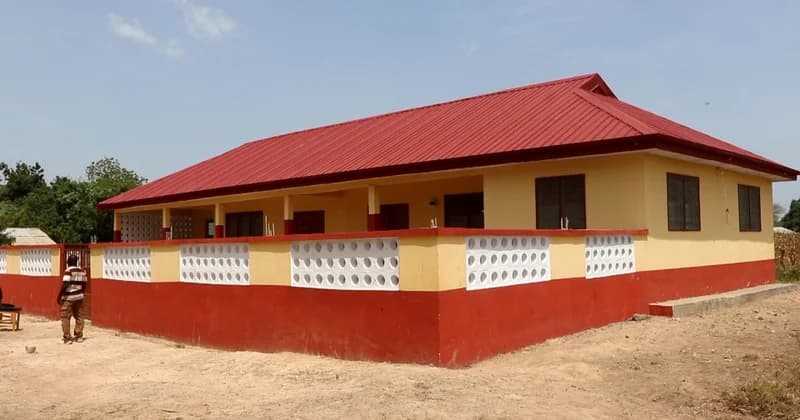
The Gulf of Guinea Northern Regions Social Cohesion (SOCO) Project has handed over newly constructed educational facilities to three deprived communities in the Jirapa Municipality of the Upper West Region. The project, funded by the World Bank and implemented by the Jirapa Municipal Assembly, includes new kindergarten blocks and a junior high school unit. These facilities are designed to serve children in Siatori, Ullo-Gozu, and Siiri, where a lack of local infrastructure previously forced students to walk more than three miles to access the nearest classroom.
The intervention addresses long-standing barriers to education in these remote areas. Beyond the lack of school buildings, the affected communities face significant developmental hurdles, including the absence of electricity and mobile network coverage. Local leaders noted that children often struggled to maintain consistent attendance due to the arduous daily commute and the lack of basic amenities. During a visit to the project sites, Cletus Seidu Dapilaa, the Member of Parliament for Jirapa, urged parents to prioritize their children's enrollment and make full use of the new facilities.
Traditional leaders in the beneficiary communities expressed optimism that the new infrastructure would serve as a catalyst for broader development and social stability. They emphasized that the availability of local schools would reduce the physical risks children previously faced while traveling long distances. To support long-term growth, these leaders also called for vigilance in safeguarding school lands from encroachment. The completion of these blocks marks a significant step in the Jirapa Municipal Assembly's efforts to improve educational access in the municipality's most underserved regions.
