••
SNV urges private sector investment to sustain sanitation in Nandom
•2 min read•1 source
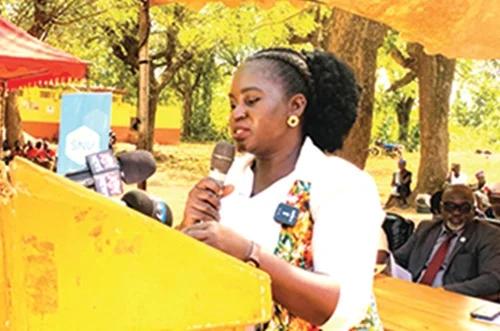
The Netherlands Development Organisation (SNV) has called for increased private sector investment and community engagement to maintain progress in Water, Sanitation, and Hygiene (WASH) services in the Upper West Region. Speaking at the World Toilet Day celebration at Brutu Basic School in Nandom, Theresa Swanzy Baffoe, SNV Project Manager, emphasized that sustaining these gains requires a multi-stakeholder approach. She underscored that access to safe sanitation is fundamental to human dignity, health, and social equality, requiring collaborative efforts between the government, traditional leaders, and development partners.
Through the "Healthy Future All" project, implemented in collaboration with local assemblies, Nandom has achieved a significant reduction in open defecation rates, which have fallen from 37% to less than 7%. This progress was facilitated by targeted interventions, including the installation of new boreholes, the rehabilitation of existing water facilities, and the training of local artisans to support infrastructure maintenance. These efforts have been central to improving public health and securing the community's Open Defecation Free (ODF) status.
The event, held under the theme "Safe toilets, equal Futures," gathered local leaders and health officials who advocated for continued community vigilance. Participants urged residents to maintain proper sanitation practices and discourage open defecation to ensure that the progress achieved is not reversed. The call for private sector involvement is intended to provide the capital and technical support necessary to expand these services beyond the current project scope.
Ultimately, the initiative highlights the necessity of a resilient model for WASH services that integrates private sector efficiency with community-led maintenance. Officials stressed that achieving total sanitation coverage remains the primary goal to secure a healthier future for all residents in the Upper West Region. By fostering strong partnerships, SNV aims to ensure that the infrastructure and behavioral changes established in Nandom remain sustainable for the long term.
