••
Singapore Airlines reports 46,000 records compromised in Amadeus breach
•2 min read•1 source
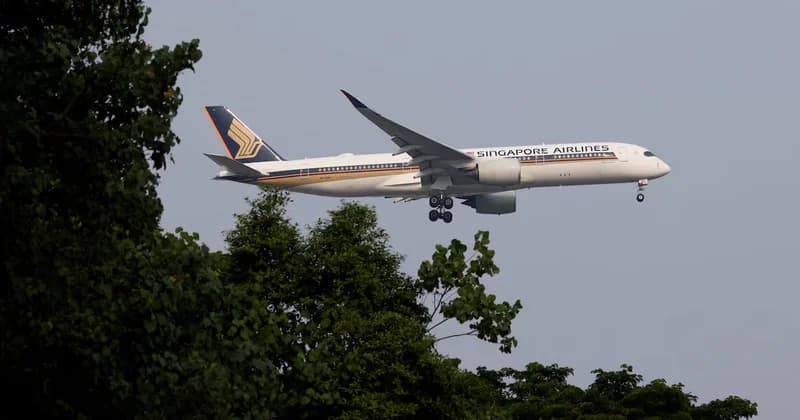
Singapore Airlines has announced that a cybersecurity incident involving its third-party reservation technology provider, Amadeus, has potentially compromised approximately 46,000 booking records. The airline disclosed the breach following its routine monitoring of external system security, which identified unauthorized access to booking data managed by the provider. The incident underscores the inherent risks within the highly interconnected digital infrastructure of the global aviation industry.
The breach originated within the systems of Amadeus, a major technology firm that provides critical reservation and booking services to hundreds of airlines worldwide. Singapore Airlines noted that the exposure was limited to data hosted by Amadeus rather than a breach of the airline’s own internal IT network. While the specific data fields accessed were not detailed, booking records typically include passenger names, travel itineraries, and contact information, making them valuable targets for cybercriminals.
Cybersecurity experts point out that third-party providers like Amadeus are high-value targets because they act as central data hubs for the entire travel industry. A successful breach of such a provider can yield information from multiple carriers simultaneously, which can later be used for fraudulent activities such as identity theft or targeted phishing campaigns. This incident serves as a significant case study on the vulnerabilities present in the aviation supply chain and the importance of stringent oversight of third-party vendors.
In response to the incident, Singapore Airlines is working closely with Amadeus to investigate the full scope of the breach and to strengthen existing security protocols. The airline has reaffirmed its commitment to data privacy and continues to monitor its systems for further anomalies. Passengers are generally advised to be cautious of unsolicited communications or suspicious requests for personal information in the wake of such data exposures, as the airline works to safeguard its customer information against future threats.