••
Shatta Wale urges government to engage with the creative industry
•2 min read•1 source
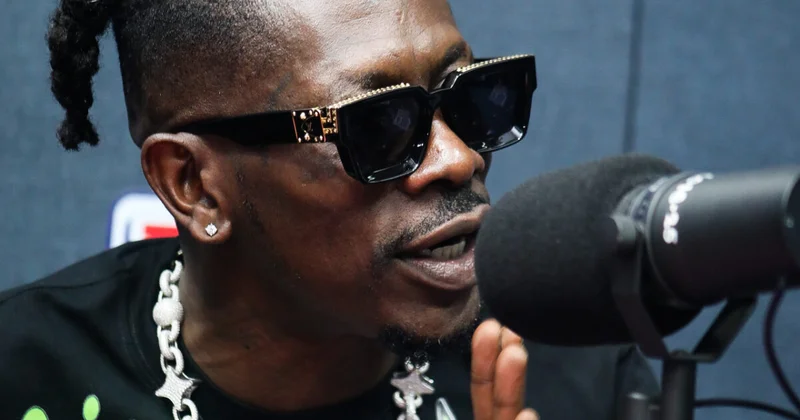
Ghanaian dancehall artist Shatta Wale has called for a strategic shift in how the government interacts with the creative sector, advocating for more direct engagement in policy formulation. Speaking in an interview on Hitz FM, the musician emphasized that the entertainment industry possesses significant untapped potential to drive national development and foster social harmony. He argued that the creative community is frequently sidelined when major national decisions are being made, leading to a disconnect between official policies and the lived realities of those in the arts.
During the discussion, Shatta Wale pointed out that the unique perspectives of musicians and other creatives are often overlooked by policymakers. He suggested that if the government collaborated more closely with entertainers, it could leverage their broad influence and insights to address socio-economic challenges more effectively. By integrating the voices of artists into the national dialogue, the dancehall icon believes the state could develop more impactful strategies that resonate with the youth and the broader public.
The musician also highlighted the critical role of social media and the entertainment industry in maintaining national cohesion. In an era where digital platforms increasingly define public discourse, Shatta Wale argued that entertainers are at the forefront of shaping national identity and unity. He urged policymakers to recognize this cultural power and to treat the creative sector as a key stakeholder in the collective effort to preserve peace and stability within the country.
Ultimately, Shatta Wale’s remarks underscore a growing demand within the creative arts space for formal recognition as a vital pillar of the Ghanaian economy. While the entertainment sector has traditionally been viewed primarily through the lens of leisure, his call for inclusion in policy-making suggests a move toward professionalizing the industry’s relationship with the state. Such engagement, if realized, could mark a transition toward more holistic national development planning that values cultural capital alongside traditional economic indicators.
Related topic
Shatta Wale: Latest News & Updates →