••
Senegalese swimming parents blame closed facilities for medal drought
•2 min read•1 source
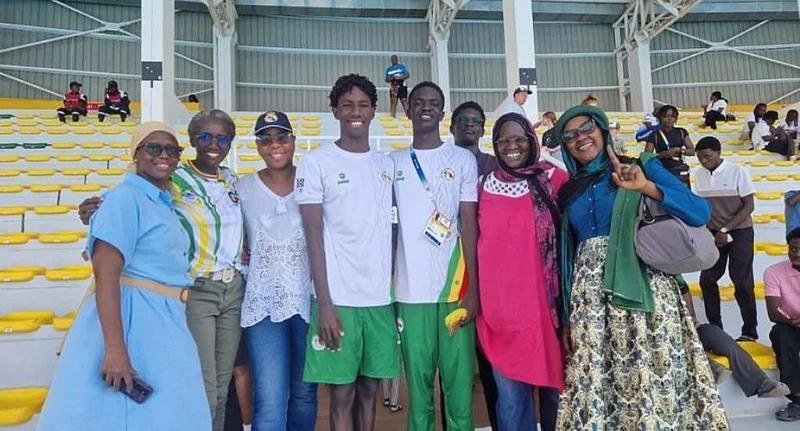
Parents of Senegalese swimmers have pointed to a lack of adequate training infrastructure as the primary reason for the national team’s failure to secure medals at the Youth Olympics. The criticism comes after the national Olympic facility has reportedly remained closed for several years, forcing elite young athletes to prepare for international competition in substandard conditions. Despite the increased size of the Senegalese delegation at this year's games, the lack of professional-grade facilities has raised concerns about the country's ability to compete at the highest levels.
The impact of these deficiencies was evident in the performance of individual athletes such as Naël Lamine Voisin, who finished fifth in his 50-metre breaststroke heat. According to his mother and other parents, the swimmers were forced to train in short club pools rather than the standard Olympic-sized facilities required to maintain a competitive edge. This mismatch in training environments significantly hampered the athletes' preparation, leaving them at a disadvantage when competing against peers from nations with robust sports infrastructure.
Maguette Dieye, the President of the Senegalese Swimming Federation, echoed these concerns, emphasizing that infrastructure and long-term support are vital for athletes to reach their full potential. While the Federation noted that the larger team size this year indicates growth in interest and raw talent, the absence of a dedicated national training centre remains a major bottleneck. The federation president called for sustained government investment to provide the necessary tools for young swimmers to transition from domestic competition to the international podium.
The call for greater investment and government support highlights a broader issue within the Senegalese sports sector regarding the maintenance of national assets. As the Youth Olympics concludes without a medal for the swimming team, the focus shifts to whether the national Olympic facility will be renovated and reopened. For the parents and officials involved, the goal is to ensure that future generations of athletes are not held back by the same logistical hurdles that defined this campaign.
