••
Senegal prepares for Dakar Youth Olympics despite economic concerns
•2 min read•1 source
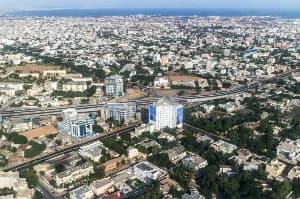
Senegal is currently in the process of preparing to host the Dakar Youth Olympics, an event that will distinguish the nation as the host of the first-ever Olympic competition to be held on the African continent. This historic milestone for African sports is being viewed as a significant opportunity to showcase the region's capabilities on the global stage. However, the lead-up to the event is being closely scrutinized by domestic observers as the country navigates a complex economic period characterized by rising costs of living and inflationary pressures.
While the government focuses on infrastructure and logistical requirements for the Games, many local residents are expressing concern over the prioritization of national spending. Critics argue that the substantial financial resources being allocated to the Olympic preparations could be more effectively used to address immediate community needs, such as healthcare, education, and social support systems. For many Senegalese citizens, the prestige of hosting an international sporting event is being weighed against the daily reality of increasing economic hardship and the struggle to afford basic necessities.
Beyond the broader financial implications, some locals have reported that the physical preparations for the Games have directly interfered with their livelihoods. Construction and urban restructuring associated with the Olympic sites have reportedly disrupted the operations of small-scale vendors and local businesses in and around Dakar. These disruptions have added a layer of practical frustration to the ongoing economic debate, as citizens call for more inclusive planning that protects the interests of the local workforce while pursuing international development goals.
As the countdown to the Dakar Youth Olympics continues, the Senegalese government faces the delicate task of delivering a world-class event while addressing the grievances of its population. The success of the Games will likely be measured not only by the quality of the athletic competitions but also by the government's ability to ensure that the event does not leave a legacy of debt or deeper economic strain for the host nation. The situation remains a focal point for discussions on how African nations can best balance global sporting ambitions with domestic social and economic stability.
