••
SEND Ghana and Stakeholders Demand Urgent Reforms as Viral Video Exposes Minors in Hazardous Galamsey Sites
•3 min read•2 sources
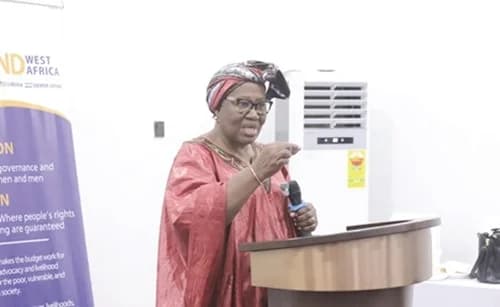
Stakeholders and child welfare advocates in Ghana are intensifying calls for a coordinated national response to child labor following the emergence of a viral video showing minors in illegal mining sites and ongoing concerns within the cocoa sector. The dual threat of hazardous work in "galamsey" (illegal mining) and traditional cocoa farming continues to jeopardize the health, education, and future of thousands of children across the country. Experts are urging the government and local communities to move beyond rhetoric toward measurable, community-led actions that provide sustainable alternatives for vulnerable families.
During a recent policy dialogue, Janet Adama Mohammed, Board Chair of SEND Ghana, emphasized the urgent need to evaluate and enhance existing interventions, particularly in cocoa-growing areas. Despite the cocoa industry supporting over 800,000 farm households, many children remain engaged in labor that restricts their access to consistent schooling. Mary-Anne Kamara of SEND Ghana highlighted that gender equality initiatives are a critical lever in this fight, suggesting that empowering women within these households directly correlates with a reduction in child labor and improved welfare outcomes for children.
The gravity of the situation was further underscored by a viral video showing children as young as six years old participating in illegal mining activities. The footage captures the minors handling gold-bearing sand and using sieves, directly imitating the hazardous labor of adults. Beyond the immediate physical risks, observers expressed alarm over the normalization of galamsey as a viable livelihood for children and their exposure to toxic chemicals used in the extraction process. The video has sparked a fierce national debate over parental responsibility and the apparent failure of local oversight in regions where illegal mining remains prevalent.
Adding a legislative perspective, Member of Parliament Kwame Dzudzorli Gakpey has called for increased resource allocation and comprehensive legal reforms to strengthen child protection frameworks. While community members have voiced a commitment to keeping children in school, they also pointed to a systemic gap: the lack of employment opportunities for graduates, which often drives families back into informal and hazardous sectors to survive. The MP stressed that without legal teeth and better funding, child protection agencies would struggle to curb these exploitative practices.
As President John Mahama’s administration continues to address these deep-seated socio-economic challenges, the consensus among stakeholders remains that child labor cannot be solved in isolation. It requires a synergy of strict legal enforcement against illegal mining, gender-focused interventions in agriculture, and improved economic prospects for the youth. Moving forward, the focus must remain on ensuring that the galamsey pits and cocoa farms of today do not become the graveyards of the next generation's potential.
Related topic
John Mahama: Latest News & Updates →Live rates
Ghana gold price →
