••
SEND Ghana and Partners Call for Educational Reform and Stronger Laws to Combat Cocoa Sector Child Labour
•2 min read•1 source
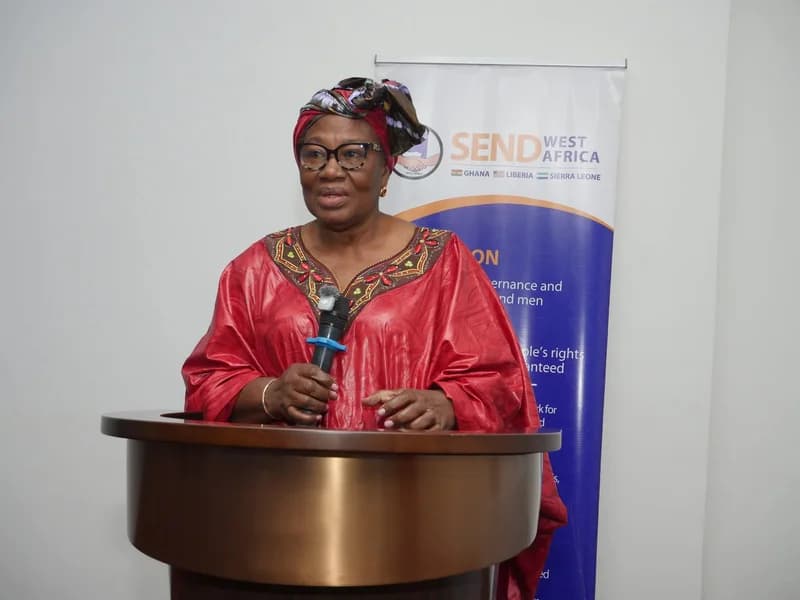
Stakeholders at a National Dialogue on Child Labour in Ghana’s Cocoa Sector have issued a call for a paradigm shift in how the country protects its youngest citizens in agricultural regions. Organized by SEND Ghana with support from DKA Austria, the dialogue emphasized that economic hardship and limited access to schooling remain the primary drivers of child exploitation. Data presented at the event underscored the urgency of the situation: a study commissioned by the U.S. Department of Labor found that 1.56 million children were engaged in child labour across Ghana and Côte d’Ivoire during the 2018/19 cocoa season, highlighting a systemic challenge that requires immediate intervention.
The discussions revealed that child labour is deeply rooted in the socio-economic fabric of agricultural communities, where approximately 55% of children in agricultural households are involved in cocoa-related work. Participants, including SEND Ghana’s Janet Adama, argued that simply removing children from farms is insufficient if the underlying conditions—such as rural poverty and inadequate educational infrastructure—persist. The dialogue emphasized that for child labour to be effectively eradicated, the government and stakeholders must make education both accessible and engaging, ensuring that parents and children see tangible value in formal schooling over field labour.
Local voices, including cocoa farmer Sarah Andoh and various community leaders, provided critical context on the ground, noting that many families lack a full understanding of child labour laws or the long-term benefits of education. To address this, the dialogue called for intensified community-level sensitization to raise awareness about children's rights and the legal definitions of hazardous work. Furthermore, lawmakers and participants advocated for a comprehensive review of Ghana’s existing child protection legislation to identify and close legal gaps, thereby strengthening the enforcement of protections and holding exploiters accountable.
Ultimately, the consensus among stakeholders is that a coordinated response is the only sustainable path toward a child-safe cocoa sector. This strategy requires a holistic approach that integrates robust legislative enforcement with significant investment in rural livelihoods to alleviate the economic desperation of farming families. By prioritizing education and fostering a national commitment to safeguarding children’s rights, Ghana aims to secure its position as a responsible cocoa producer while ensuring that the next generation is in the classroom rather than the fields.