••
SeedSpark Foundation and Mining Sector Partners Bolster Educational Support for Rural and Special Schools
•3 min read•6 sources
A wave of philanthropic and corporate social responsibility initiatives is providing a critical lifeline to students across Ghana’s rural farming and mining communities. Leading these efforts, the SeedSpark Foundation, in partnership with Legacy Impact and the OhenebaCare Foundation, recently launched the 2026 ‘Seeds of Hope’ Community Outreach in the Kintampo South District. The campaign reached over 550 pupils in the farming communities of Anokyekrom and Abom Komkomba, providing them with essential learning materials including textbooks, exercise books, stationery, and school bags. By targeting areas central to Ghana’s food production that often lack basic educational infrastructure, the initiative aims to ensure that a child’s geographic location does not dictate their access to quality education.
In addition to educational materials, the ‘Seeds of Hope’ campaign integrated community welfare by providing medical screenings for approximately 160 residents. SeedSpark Executive Director Henry Ekow Yawson emphasized that supporting these communities is a strategic investment in the nation's future, as it alleviates the burdens on families who drive the agricultural sector. Teachers in the district noted that the lack of basic resources has long been a significant barrier to effective lesson delivery, and the new supplies are expected to immediately enhance the learning environment for students from Kindergarten through Junior High School.
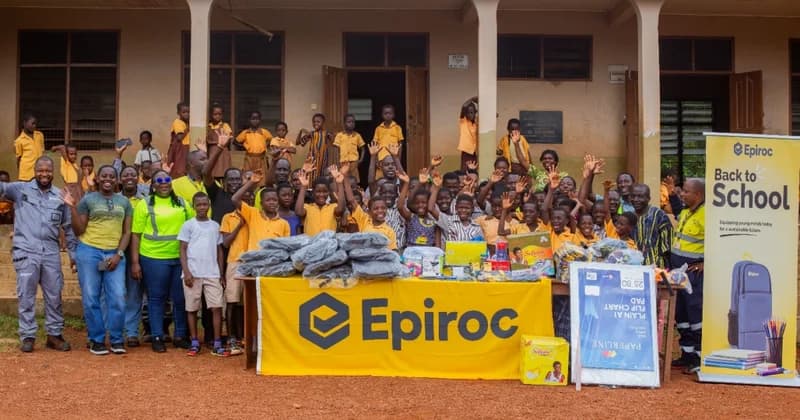
Parallel efforts are also being spearheaded by the mining sector to foster development in host communities. In the Western North Region, global mining services provider Epiroc donated school supplies to the Kwanikrom and Lawerkrom communities through its ‘Back-to-School’ initiative. This program, conducted in collaboration with Asante Gold Chirano’s ‘My First Day at School’ event, highlights a growing trend of mining firms prioritizing local education. Rhoda Aboagye, a Human Resources Business Partner at Epiroc, urged other businesses in mining regions to deepen their support for local schools, arguing that educational investment is the most effective way to ensure long-term community growth and self-reliance.
The push for educational equity extends to specialized institutions that cater to vulnerable populations. The Ghana Chamber of Mines recently expanded its corporate social investment by supporting the Akropong School for the Blind and the Demonstration School for the Deaf in the Eastern Region. The Chamber donated 61 bags of rice to support student welfare, while school representatives used the occasion to call for further assistance with infrastructure, specifically citing the need for a dedicated assembly hall. Christopher Opoku Nyarko of the Chamber reaffirmed the industry's commitment to responsible mining, which includes a mandate to support institutions that provide specialized care and education for students with disabilities.
These collective interventions by NGOs and the private sector underscore a critical shift toward collaborative development in Ghana’s education sector. While the donations of books, food, and medical services provide immediate relief, the participating organizations have pledged to conduct follow-up visits and expand their reach. This integrated approach—combining material support with health services and infrastructure advocacy—is becoming a model for addressing the systemic resource gaps that persist in rural and marginalized educational settings across the country.
Live rates
Ghana gold price →

