••
So Tome farmers shift to vanilla to diversify agricultural exports
•2 min read•1 source
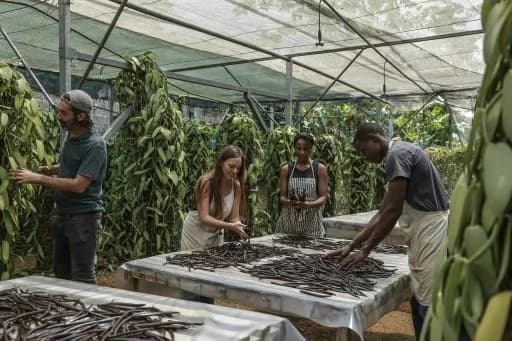
The island nation of So Tome is revitalising its vanilla production as part of a strategic effort to diversify an economy historically dominated by cocoa. Farmers across the island are increasingly turning to this high-value spice, hoping to secure higher profits by targeting niche European markets. This transition represents a shift away from bulk commodity exports toward premium, artisanal agricultural products that can command significant price premiums. The process of cultivating and curing vanilla is considerably more demanding than cocoa production, requiring both patience and specialized knowledge. Farmer Ifrasio de Barros Rompao noted that while vanilla promises larger financial rewards, it takes approximately four years for the vines to produce their first flowers. During this time, growers must use meticulous artisanal techniques to hand-pollinate the flowers and carefully cure the harvested beans to develop the aromatic complexity required by international buyers. This revitalised industry specifically targets high-end markets in Switzerland, France, and Belgium, where buyers value the unique aromatic qualities of So Tome’s vanilla. The spice has earned a growing reputation for its rich and complex profile, allowing local producers to establish themselves within the global spice market. By focusing on quality over volume, the island is carving out a distinctive space for itself among world-class spice exporters. The success of the vanilla sector carries broader implications for So Tome’s economic resilience. As global consumer demand for natural and sustainably sourced ingredients continues to rise, the island's focus on niche, high-quality exports provides a viable path for sustainable development. This shift not only offers farmers a more lucrative alternative to traditional crops but also helps shield the national economy from the volatility of global cocoa prices.