••
Santiago Peña removed from office following Ueno Bank insolvency
•2 min read•3 sources
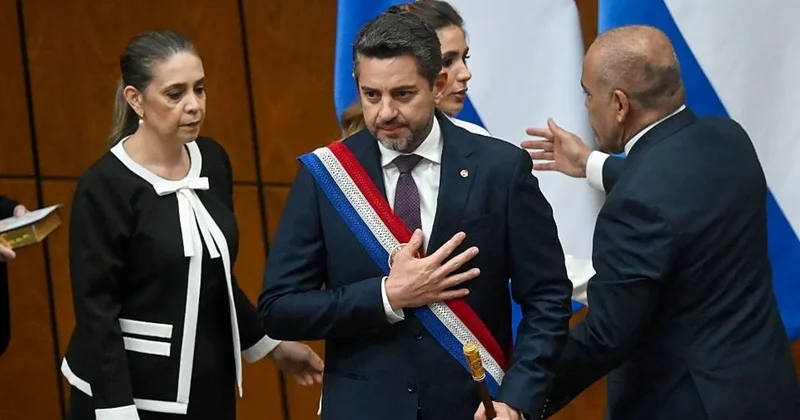
Paraguay's Senate has removed President Santiago Peña from office through a near-unanimous impeachment vote following the catastrophic collapse of Ueno Bank. The decision, which saw the Senate vote 44 to 1 against the leader, has plunged the South American nation into a deep political and financial crisis. Immediately following the vote, Peña was placed under house arrest to face criminal investigations into allegations of misconduct, breach of trust, and influence peddling during his tenure.
The removal of the president was triggered by the insolvency of Ueno Bank, an event that paralyzed the country's financial system and left over half the population without access to their bank accounts. The crisis sparked nationwide protests and clashes between citizens and police as public outrage grew over the loss of savings. Investigations into the bank's failure have uncovered what analysts describe as one of the largest corruption scandals in Paraguay's history, involving the alleged diversion of pension funds and significant conflicts of interest within the administration.
Lawmakers reportedly rejected a last-minute attempt by Peña to resign via video message to stabilize the country. By opting for impeachment instead of accepting the resignation, the Senate successfully stripped Peña of the immunity typically granted to former presidents, such as the right to a lifetime Senate seat. This move ensures that Peña can be prosecuted for his role in the financial fallout. In a related development, an arrest warrant has also been issued for the country's central bank chief, Carlos Carvallo, as authorities widen their probe into the systemic failure of the financial sector.
Vice President Pedro Alliana has been sworn in as the new president to complete the remainder of the term, which concludes in August 2028. Upon taking office, Alliana pledged to address the financial distress affecting millions of Paraguayans and stabilize the nation's economy. While the new administration begins its work, Peña remains under heavy guard at his residence, awaiting legal proceedings that will determine his responsibility in the bank's collapse and the subsequent economic turmoil.