••
Dr. Samuel Kusi Urges Strategic Shift to Harness Diaspora Expertise and Investment for Ghana’s Economic Transformation
•2 min read•1 source
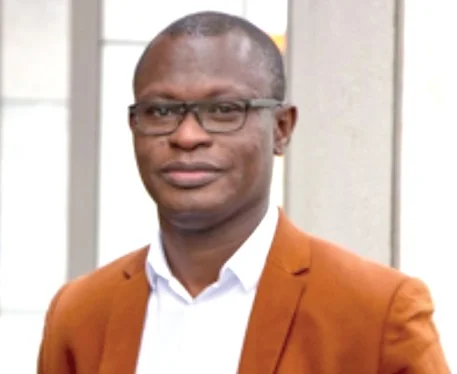
Dr. Samuel Kusi, an Assistant Professor at the University of Bradford, has called for a strategic shift in how Ghana engages with its diaspora, advocating for a move beyond traditional remittances toward the integration of professional expertise. Speaking in an interview with the Daily Graphic, Dr. Kusi argued that while financial transfers are beneficial, the nation's sustainable economic growth depends on leveraging the vast intellectual and investment capabilities of Ghanaians living abroad. This vision for a more integrated economic partnership is set to take center stage at the upcoming Ghana-Yorkshire Trade, Investment and Partnership Summit (GYTIPS 2026).
The GYTIPS 2026 summit is being designed as a critical platform to bridge the business communities of Ghana and the United Kingdom. According to Dr. Kusi, the event will convene a diverse array of stakeholders, including government officials, industry leaders, and innovators from both regions. The primary objective is to foster deep-seated business connections that go beyond superficial transactions, focusing instead on long-term partnerships that can catalyze entrepreneurship and technological advancement within the Ghanaian economy.
Dr. Kusi emphasized that the Ghanaian diaspora represents a significant, yet underutilized, reservoir of knowledge and capital. By encouraging Ghanaians in the UK and elsewhere to contribute their global experience in innovation and management, the country can accelerate its development agenda. He believes that creating structured frameworks like the Yorkshire summit will provide the necessary confidence for these professionals to invest in local sectors, thereby creating jobs and modernizing the industrial landscape.
As Ghana looks toward the future, the focus on diaspora-led investment signals a proactive approach to national development and economic resilience. The successful execution of initiatives like GYTIPS 2026 could provide a template for how the country engages its global citizens as partners in progress rather than just sources of capital. By transitioning from a model of financial dependency to one of mutual partnership and knowledge exchange, Ghana aims to build a more robust and self-sustaining economic future.
